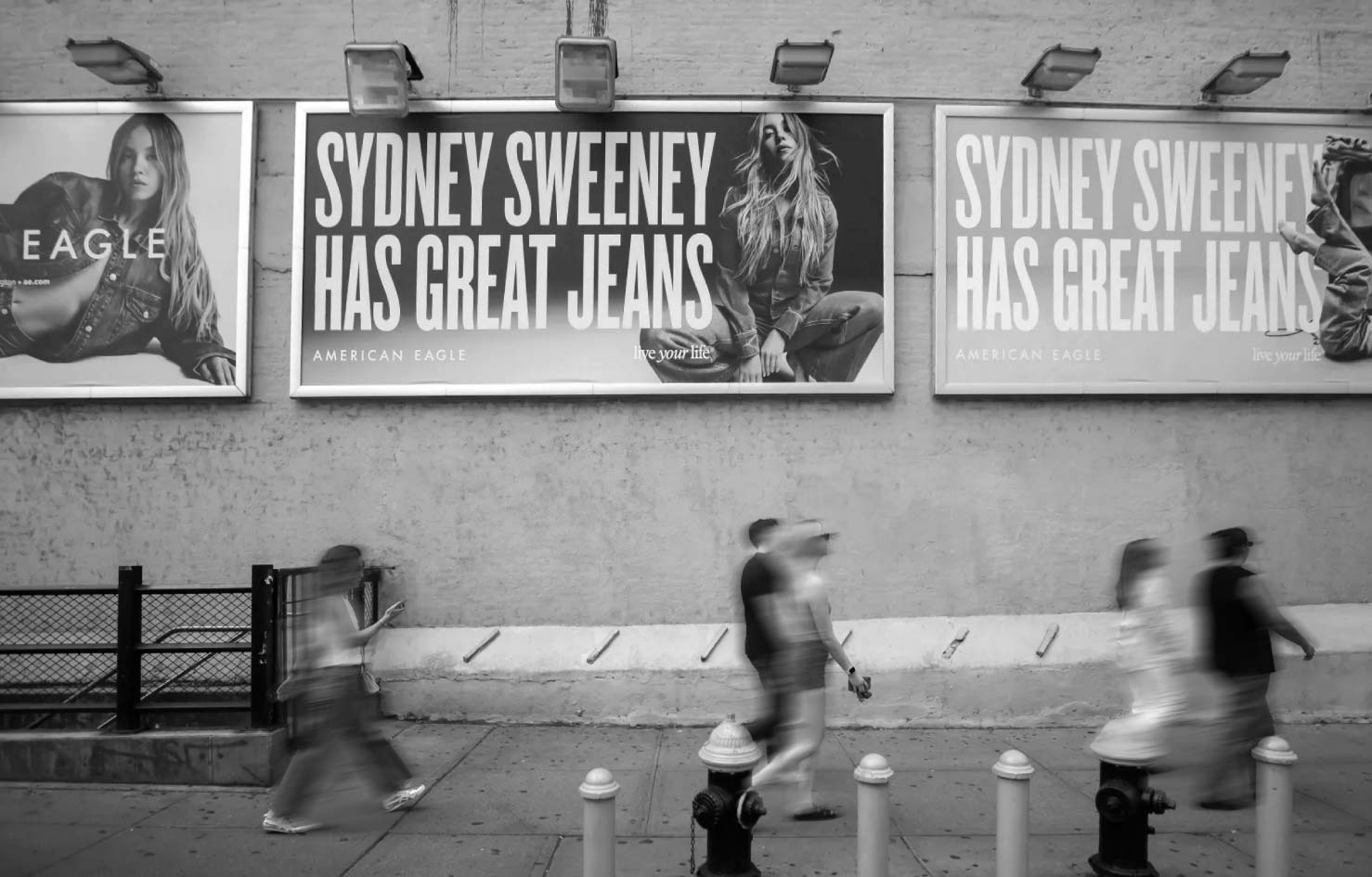
american eagle and gap were once considered peers in the mall-brand landscape. but as gen z reshaped fashion culture, their paths diverged.
- american eagle leaned into authenticity, inclusivity, and creator-led campaigns.
- gap doubled down on nostalgia, heritage, and big-name partnerships.
the results? one brand is thriving with youth culture, the other is still struggling to reclaim relevance. this blog explores the american eagle vs gap marketing strategies – and what every brand should take away from their moves.
american eagle’s playbook: authenticity over aspiration
real people, not models
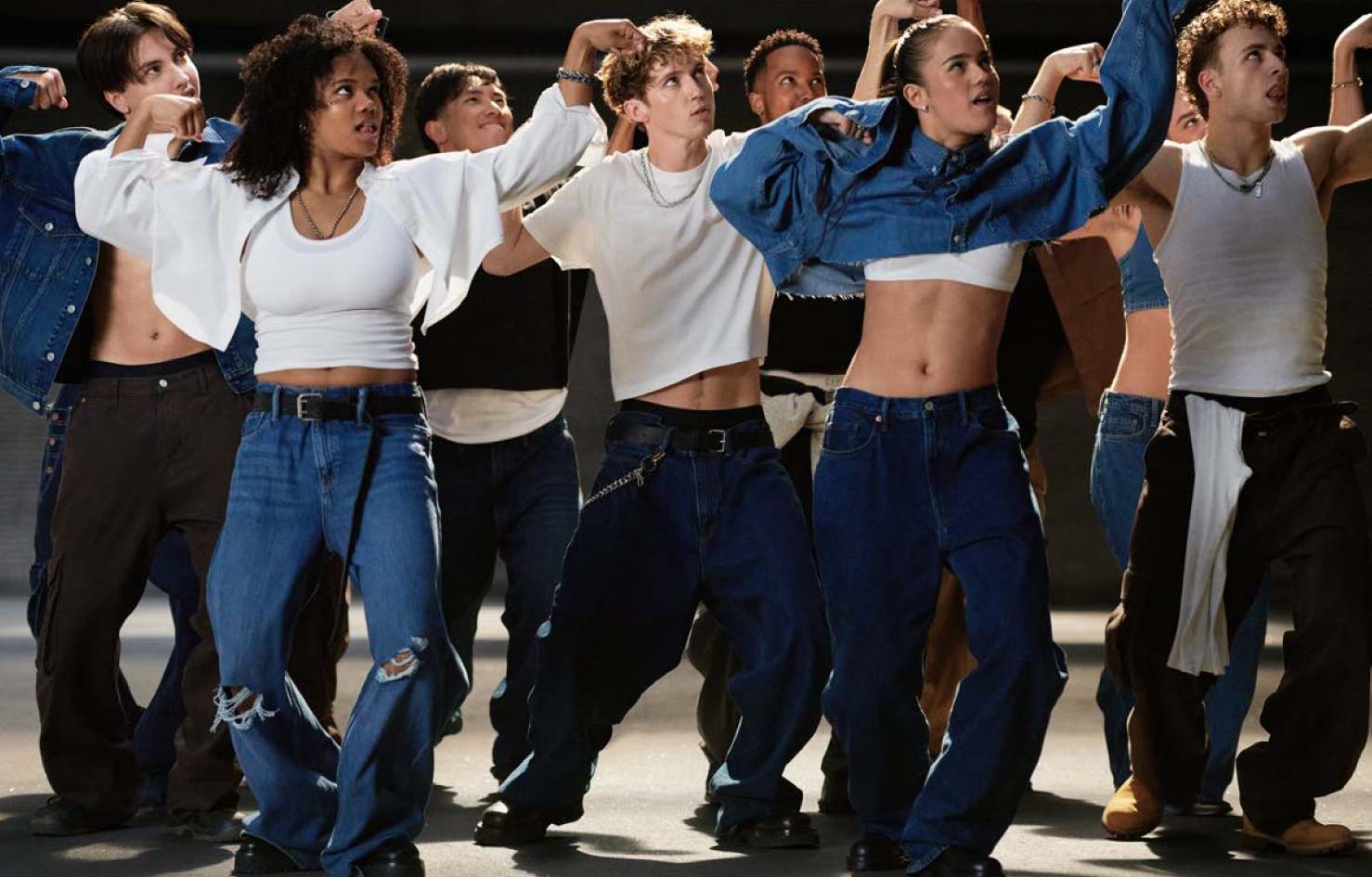
american eagle’s campaigns feature real teens and college students, not hyper-polished models. this shift tapped into gen z’s desire for unfiltered, authentic representation.
music and culture as channels
by partnering with emerging artists and platforms like spotify, ae embedded itself into cultural spaces where gen z naturally spends time.
social-first, not billboard-first
instead of chasing prestige magazine ads, ae doubled down on tiktok and instagram. campaigns like the #aejeans challenge spread organically because they felt fun, not forced.
searches for american eagle campaign 2025 and american eagle tiktok reflect the brand’s dominance in digital-native marketing.
gap’s counter-strategy: nostalgia and heritage
leaning on the past
gap turned to its 90s glory days, reviving the arch logo hoodies and denim classics that once defined casual american fashion.
celebrity endorsements (mixed results)
the yeezy gap collaboration generated huge buzz but ended in controversy. subsequent campaigns leaned into inclusivity and family-friendly vibes, but lacked the cultural punch gen z craves.
the struggle for relevance
gap’s nostalgia campaigns resonate more with millennials and gen x than gen z. for today’s youth, the brand still feels like something their parents wore – not what they want to wear.

what’s working (and what’s not)
american eagle
- understood gen z’s craving for authenticity.
- invested in creator partnerships, not celebrity one-offs.
- built campaigns social-first, culture-first.
gap
- over-relied on heritage and nostalgia.
- failed to sustain momentum after big collabs.
- still battling perception issues with younger shoppers.
lessons for brands: the ae vs gap case study
1. authenticity beats nostalgia
gen z wants realness, not reminders of the past. nostalgia can attract attention—but it rarely sustains engagement without fresh storytelling.
2. creators > celebrities
american eagle’s decision to elevate micro-creators feels more in touch than gap’s reliance on high-profile but distant endorsements.
3. culture is co-created
brands win when they invite audiences into the process. ae co-creates trends with users on tiktok. gap dictates campaigns top-down – and it shows.
conclusion: what the retail battle tells us about gen z marketing
the american eagle marketing strategy proves that listening, collaborating, and putting authenticity first can win loyalty with gen z.
the gap marketing strategy, while not without strengths, shows the risks of leaning too heavily on heritage without evolving. nostalgia creates buzz, but it can’t replace innovation.
for fashion and lifestyle brands, the lesson is clear: build forward, not backward.