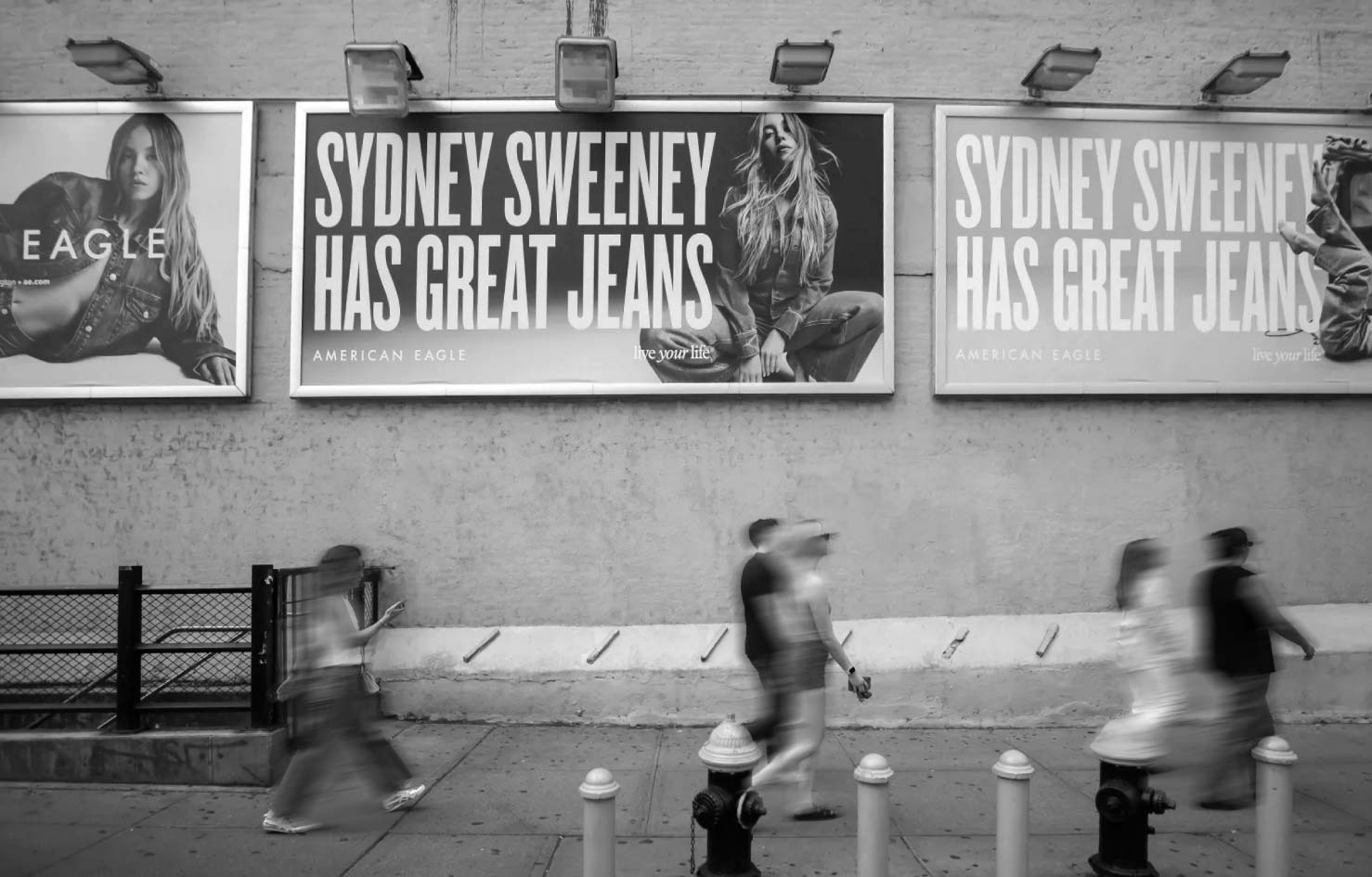
in the era of social media, launching a brand with a celebrity founder seems almost a no-brainer. celebrity = built-in audience, right? but vanity and hype don’t guarantee sustainability. for us at push, it’s about taking brands from ideas to real business. so let’s look at recent cases – successful and not – to spot patterns, lessons and opportunities.
what does research say about celebrity-founded brands?
before diving into examples, a quick framework. according to a recent article in Harvard Business School’s HBR, the difference between a celebrity brand that sticks and one that fizzles lies less in the star power and more in alignment, credibility, community and business fundamentals
another academic review found many celebrity-brands fail not for lack of visibility but because they confuse visibility with viability.
the influencer-marketing industry has matured. One piece warns that “creator-led brands fail because they neglect relationships with their influencer partners, or let them stagnate.”
bottom-line: celebrity + influencer marketing = powerful launch pad – but the engine still needs fuel: product-market fit, credible story, ongoing community engagement, smart influencer ecosystem.
case study 1: success – Skims (founder: Kim Kardashian)
what happened: launched 2019, shapewear/underwear/bodywear brand. one of the hallmarks: inclusive sizing, wide range of skin-tone shades, direct-to-consumer model. valuation soared into the billions.
influencer/celebrity angle: Kim’s own huge reach + social footprint, full control of narrative. But the brand didn’t just lean on her name. It built community, engaged micro-influencers, made fans feel part of it.
why it worked:
- clear market gap (inclusive bodywear) → product solves a real need.
- brand story aligned with founder’s persona but also extended beyond it (so fans don’t buy just the star – they buy the solution).
- influencer/influenced ecosystem: legacy star + micro-influencers + user-generated content.
- execution: quality, scarcity, drip launches, “drop culture” that builds anticipation.
**key lesson for push: when you launch a brand tied to a known person, make sure the product solves something real and the influencer marketing supports a long-term ecosystem, not just a launch spike.
case study 2: success – Rare Beauty (founder: Selena Gomez)
what happened: launched during the pandemic. Within the first year reported ~$60 million revenue; within ~3 years over $350 million.
influencer/celebrity angle: Selena already had a massive social audience, and Rare Beauty positioned itself around authenticity, mental health, inclusivity. influencer marketing played a role not just as promotion, but as community building.
why it worked:
- authenticity: message matched founder’s brand (Selena openly speaks about mental health).
- mission-driven: Rare Beauty included charity/social impact components, giving the influencer-founded brand depth.
- influencer network: beyond celebrity founder, many content creators and micro-influencers participated, amplifying reach.
lesson: celebrity-founded brands benefit when purpose + product + personality align. influencer marketing helps when it builds a real community, not just “look what I bought”.
case study 3: success – Rhode (founder: Hailey Bieber)
what happened: beauty brand launched June 2022 with only three core products, built via influencer/creator story. The brand reportedly generated ~$248 million earned media value (EMV) in 2024; Bieber herself drove ~$400 million EMV.
influencer/celebrity angle: strong founder voice + well-curated influencer ecosystem + product drops that sparked social buzz (large waitlists).
why it worked:
- focus: small product set, market clarity, avoiding breadth overhead.
- culture & community: brand built around “glazed doughnut skin” aesthetic and social-first storytelling.
- smart launch: leveraging founder’s personal social reach, but also extending to creators/mini-celebrities to carry the narrative.
takeaway: quality over quantity, and even celebrity-founded brands benefit from tightly controlled influencer-driven drop strategy and community hooks.
case study 4: failure (or at least cautionary) – Goop (founder: Gwyneth Paltrow)
what happened: launched originally as a wellness newsletter 2008, evolved into lifestyle e-commerce brand. Faced heavy criticism for “pseudo-science”, regulatory challenges, lawsuits and reputational issues.
influencer/celebrity angle: Gwyneth’s celebrity carried initial buzz, but the brand leaned heavily on her persona and endorsement without always replicable or credible foundations.
why it floundered (or at least faced big challenges):
- authenticity & credibility issues: when the brand’s claims or positioning become inconsistent with consumer expectations or evidence, trust drops.
- over-extension: brand started covering broad categories (“everything wellness”), which diluted the focus and made influencer marketing less sharp.
- dependency on founder persona: when the star’s image wobbles or the narrative becomes undermined, the brand is vulnerable.
lesson: celeb + influencer marketing cannot substitute for product credibility + brand clarity + defensible value. If the influencer narrative is louder than the product story, trouble looms.
case study 5: failure (or weak) – celebrity alcohol/ beverage brands
there’s a broader category where many celebrity-founded brands stumble: food & beverage, especially alcohol. Over 70% of celebrity food & beverage brands fail.
why:
- a celebrity audience ≠ beverage consumers (behaviours differ).
- product market / category may be crowded or regulated; branding alone doesn’t guarantee distribution, repeat purchase, taste.
- some ventures lean too much on “famous face sold me this” vs “this is a brand I trust and want to buy repeatedly”.
implication: for influencer marketing and celebrity-foundation, category matters. If you’re launching in a rugged consumer goods part (mass retail, beverage, FMCG) you’ll need real infrastructure, repeat-purchase drivers, and product quality – beyond the celebrity.
why some succeed and others don’t: pattern breakdown
let’s break it into core dimensions – the things we at push always ask when building brands.
- product-market fit + category clarity
- success: Skims identified inclusive shapewear gap; Rhode started with three products.
- failure: Brands vague about purpose or overwhelmed by category breadth (Goop).
- authentic founder narrative + brand story
- success: Rare Beauty aligned with Selena’s persona and values; Skims leveraged Kim’s platform but built beyond.
- failure: celebrity stamp but weak story or mismatch between star image and brand offering.
- influencer/creator ecosystem, not just one star
- success: brands leveraged micro-influencers, user-generated content, community loops. e.g., Skims: UGC loops post-founder post.
- failure: relying solely on one celeb post or one big launch then nothing. As one article states: “a celebrity post isn’t the finish line. It’s the spark.”
- sustainable business fundamentals (scalability, product repeatability, infrastructure)
- success: clear launch strategy, manageable SKU count, distribution.
- failure: focusing on hype, not on repeat purchase or margin, or ignoring operational business.
- credibility & community trust
- success: when the influencer brand builds genuine relationship with audience, engages with them, shows that the founder cares.
- failure: when the brand is obviously a “celebrity quick cash grab”, or when claims/quality don’t align with marketing. Example: beverage brands that failed because they leaned only on fame.
- brand-beyond-the-celebrity
- success: the celebrity helps, but the brand builds its own identity, community and momentum independent of just the founder.
- failure: if the brand is the celebrity and the moment fades, you lose.
what this means for you (our agency work)
since at push we “build. we solve. we adapt.” – and we help brands go from ideas to reality – here’s how you apply these learnings when you’re working with influencer or celebrity-founded brands:
- start with the problem or gap: before thinking “let’s use celebrity X”, ask what real need your product or service solves and whether the celebrity narrative aligns with that.
- choose your celebrity/influencer partner strategically: not just “famous”, but relevant, credible, aligned with brand values, and able to activate a network – not just broadcast.
- design the influencer ecosystem, not just one star moment: use the celebrity as the spark, but build the loop with micro-influencers, community generated content, repurposed posts, and measurable participation.
- plan for longevity: ask how this brand will scale, repeat purchase, maintain engagement after launch buzz. Don’t let the campaign be “one-and-done”.
- build brand identity beyond the founder: yes the founder gives credibility and visibility, but your brand should have a voice, visuals, values, and community that can outlast the founder’s moment.
- ensure credibility and quality: if you’re in a crowded category (beauty, wellness, beverage), the product must deliver. Influencer marketing can’t paper over a poor value proposition.
- measure and iterate: track engagement, conversion, repeat purchase, community sentiment – not just how many likes the celeb post got, but how many followers became customers and stayed customers.
- prepare for authenticity risks: influencer led brands face scrutiny; if the founder missteps or the product fails expectation, backlash can spread fast. Have governance, quality controls, community feedback loops.
summary: push your brand beyond celebrity hype
celebrity-founded brands + influencer marketing can be a powerful combination. but fame alone is not a strategy. as we at push like to say: no fluff, just smart marketing that works for everyone. If you lean on the celebrity and neglect the brand fundamentals, the hype will fade. but if you build with strategy, clarity and community – using the celebrity as a launchpad – you can push your brand off the limits.
so when we work on influencer-marketing for a brand (especially one tied to a celebrity), we keep it real: align product to need, map influencer network, build community loops, set up for repeat engagement, and build brand identity beyond the celeb.