scroll through linkedin and you’ll think marketing is all “growth hacks” and viral case studies. but the reality is different: real marketing is a mix of creativity, psychology, data, and persistence.
if you’re just starting your career, the noise can feel overwhelming. where do you begin? what matters most? and how do you avoid wasting years chasing trends that don’t last?
here’s a no-fluff beginner’s guide to getting started in marketing the right way.
1. learn the basics (and no, tools aren’t the basics)
too many beginners dive straight into ads manager or canva tutorials without understanding what marketing actually is. before tools, get these fundamentals down:
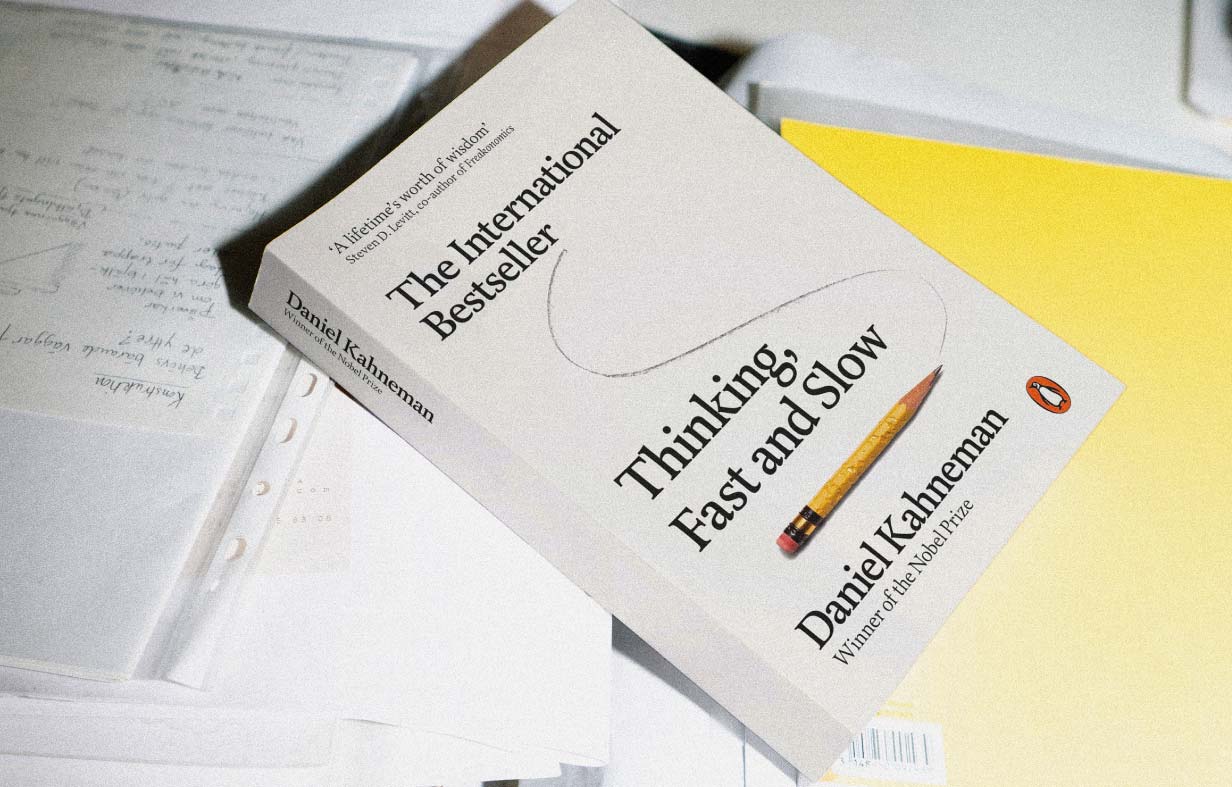
- consumer psychology: why people buy, what motivates them, how trust is built. books like influence by robert cialdini are timeless.
- positioning: what makes one product stand out in a crowded market. (hint: it’s rarely “better features.”)
- storytelling: every campaign, ad, or post is a story disguised as content. learn how to tell them well.
mastering fundamentals makes you valuable in any platform, even as algorithms change.
2. learn the tools, but don’t worship them
once you’ve got the basics, dive into the tools – they’ll be your daily playground. but remember: tools are vehicles, not destinations.
- ads and analytics: google ads, facebook business manager, google analytics 4.
- content and design: canva, figma, capcut, adobe express.
- workflow and crm: hubspot, notion, clickup.
pro tip: don’t try to learn everything at once. pick one channel (e.g., instagram, email marketing, or paid search), get good at it, and then expand. specialization first, generalization later.
3. build a portfolio early (case studies > certificates)
certificates look good on linkedin, but what gets you hired is proof you can do the work.
- do projects for friends or small businesses: help a local café with their social media, or run ads for a family friend’s shop.
- document your process: show before/after results, screenshots, analytics, creative assets.
- turn projects into case studies: “how i grew x account’s engagement by 150% in 3 months” beats “completed an online course.”
at push, we’ve seen interns with two small but well-documented projects land better opportunities than people with ten certificates and no real work.

4. network (without being annoying)
marketing is a people industry. the connections you make now can open doors years later.
- linkedin presence: share what you’re learning, even small experiments. it shows curiosity.
- communities: join groups like marketing twitter, reddit’s r/marketing, or niche slack communities.
- mentorship: don’t be afraid to reach out politely to marketers you admire. ask smart questions, not generic “teach me everything.”
networking works when you show genuine interest, not when you spam dms.
5. build your personal brand as you go
ironically, your best marketing project is yourself.
- choose a platform where your strengths shine – video (tiktok/reels), writing (linkedin/blogs), or visuals (instagram).
- share your journey: instead of waiting until you’re an expert, document what you’re learning. authenticity attracts people.
- position yourself: are you “the content guy,” “the data geek,” or “the storytelling marketer”? define it early.
brands hire marketers who know how to market themselves.
6. stay curious, stay consistent
the best marketers aren’t the ones who know the most tools. they’re the ones who keep learning, experimenting, and adapting.
- test new formats.
- learn from industries outside your own.
- review what worked, scrap what didn’t, and move forward fast.
marketing is never “done.” it’s always in beta. embrace it.
conclusion: your first steps define your path
starting a career in marketing can feel overwhelming, but the formula is simple: learn the fundamentals, master a few tools, build real projects, and connect with people. everything else builds on top.
don’t get lost in the noise of quick hacks and “overnight growth.” the best marketers play the long game – and they’re the ones who win.