for the last decade, marketing has been obsessed with speed.
post daily.
react instantly.
jump on trends.
go viral.
pivot weekly.
scale faster.
launch faster.
grow faster.
speed became the metric.
but in 2026, something is shifting.
brands are tired.
creators are tired.
audiences are definitely tired.
and the smartest companies are quietly making a different move:
they’re choosing depth over speed.
this is the rise of slow marketing – and it’s not a retreat.
it’s a strategic evolution.
what is slow marketing?
slow marketing is not “posting less.”
it’s not laziness.
it’s not disappearing.
it’s a deliberate shift from:
- short-term attention → long-term relevance
- constant output → intentional impact
- viral spikes → sustainable growth
- reactive content → strategic positioning
- quantity → quality
- chasing → building
slow marketing focuses on brand equity, loyalty, authority, and trust – instead of vanity metrics.
it’s not slower because brands can’t move fast.
it’s slower because they don’t need to.
why fast marketing is losing its power
fast marketing worked because:
- platforms rewarded novelty
- trends moved quickly
- attention was easier to grab
- competition was lower
- content creation was harder
- audiences were less saturated
in 2026, the landscape looks different.
1. everyone can create content now
ai, templates, automation – everyone is publishing.
speed is no longer an advantage.
it’s the baseline.
2. trend cycles are shorter than ever
a sound trends for 48 hours.
a meme lasts 3 days.
a format dies in a week.
brands chasing speed are permanently behind.
3. audiences are filtering harder
people don’t have shorter attention spans.
they have stronger filters.
they scroll past noise.
they stop for meaning.
4. brand fatigue is real
consumers are tired of:
- constant launches
- fake urgency
- “limited drops” every week
- forced relatability
- performative authenticity
- endless posting
speed created noise.
noise reduced trust.
the psychology behind slow marketing
slow marketing works because it aligns with deeper human needs:
- stability
- trust
- clarity
- consistency
- emotional resonance
- identity
- belonging
- depth
- substance
in uncertain times, people gravitate toward brands that feel grounded – not frantic.
slow marketing communicates confidence.
what slow marketing actually looks like in practice
it’s not silence.
it’s intentional rhythm.
1. fewer campaigns, stronger campaigns
instead of 12 micro-launches a year → 3 meaningful launches.
instead of weekly offers → seasonal narratives.
instead of discounting constantly → strengthening positioning.
2. long-form content is back
blogs.
newsletters.
podcasts.
deep-dive videos.
thought leadership.
educational content.
strategic storytelling.
because depth builds authority.
3. community before virality
slow brands focus on:
- repeat customers
- micro-communities
- insider access
- long-term relationships
- retention
- word of mouth
virality fades.
community compounds.
4. consistent identity instead of constant reinvention
slow marketing brands don’t pivot personality every quarter.
they:
- refine tone
- strengthen visuals
- deepen storytelling
- evolve intentionally
consistency creates recognition.
5. long-term positioning instead of trend chasing
instead of “what’s trending today?”
the question becomes:
“what do we want to be known for in 5 years?”
that shift changes everything.
examples of brands leaning into slow marketing
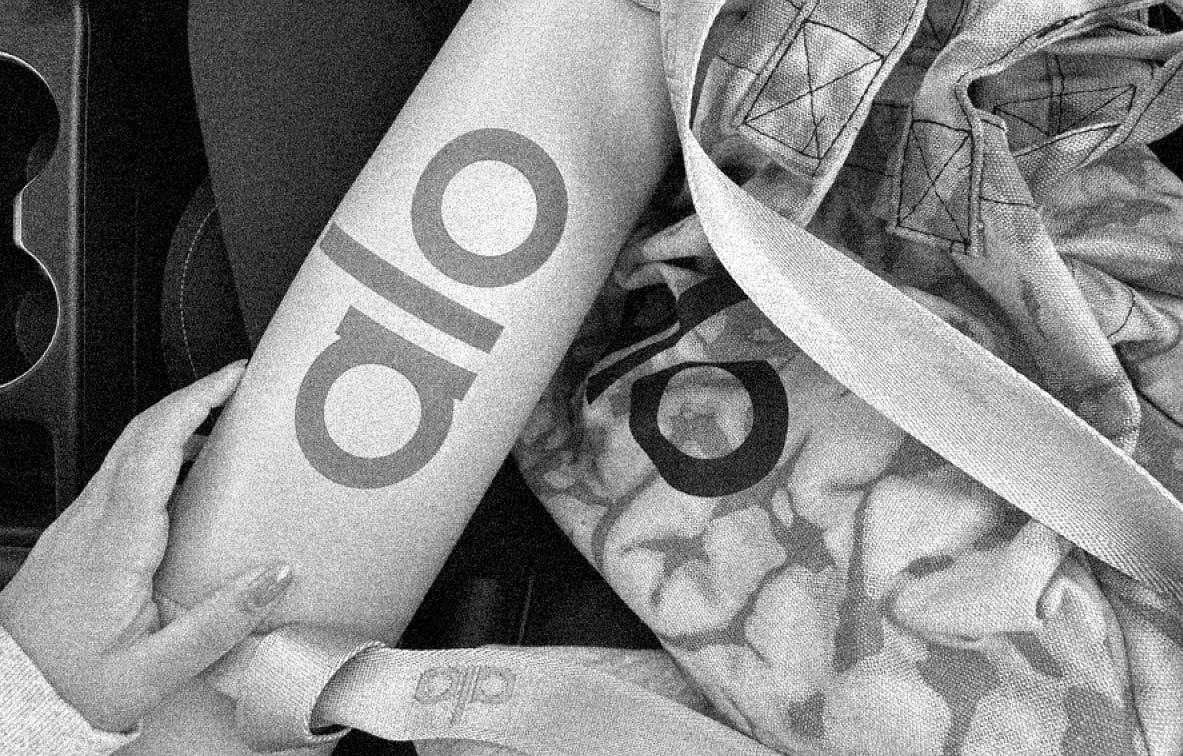
1. alo yoga
instead of constant chaotic campaigns, alo invests in:
- aesthetic consistency
- community-building
- brand world expansion
- wellness positioning
- lifestyle depth
they don’t shout.
they build.

2. aesop
aesop has always been slow marketing.
minimal advertising.
strong visual world.
deep brand philosophy.
store experience over mass exposure.
they built mystique instead of chasing reach.
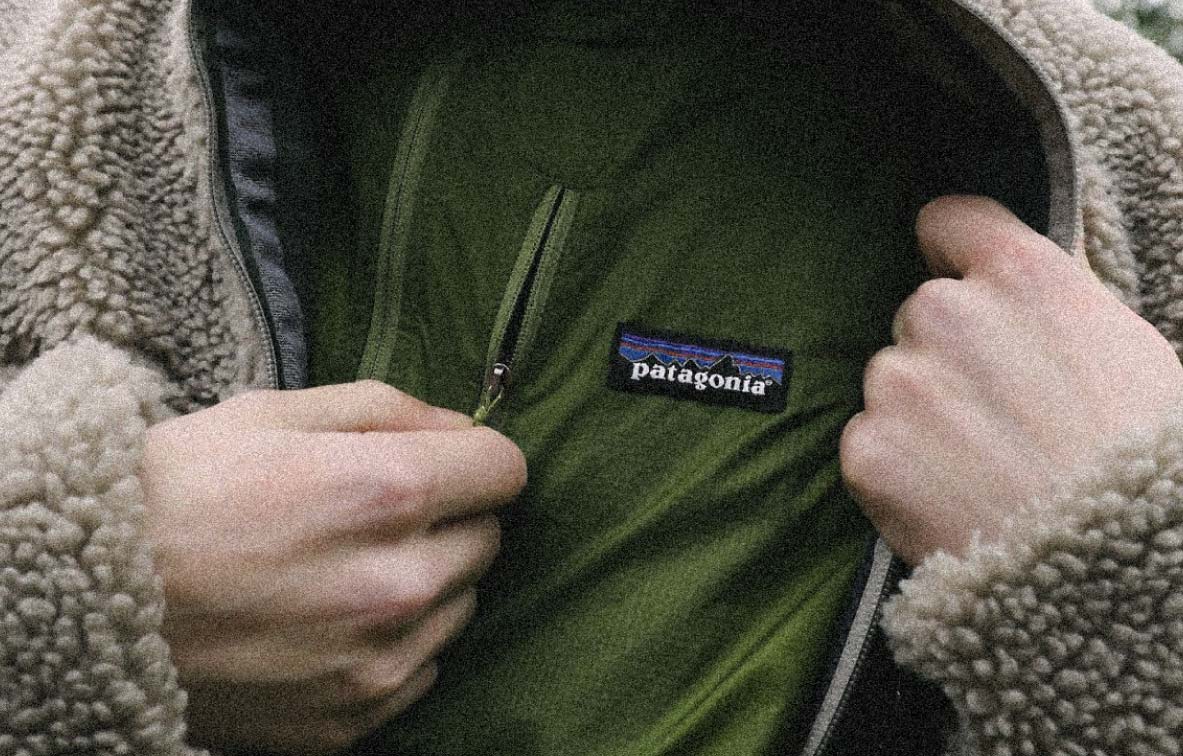
3. patagonia
patagonia doesn’t optimize for trends.
they optimize for values.
sustainability.
transparency.
long-term mission.
their marketing is steady, intentional, and rooted in purpose.
4. notion
notion grew through:
- community education
- product depth
- creator partnerships
- documentation culture
not aggressive ads.
they built authority slowly – and now dominate.
5. substack writers & niche creators
many creators are abandoning algorithm-chasing for:
- paid newsletters
- membership communities
- deeper long-form content
- smaller but loyal audiences
less noise.
more sustainability.
slow marketing vs fast marketing: a strategic comparison
| fast marketing | slow marketing |
| trend-driven | identity-driven |
| algorithm-focused | audience-focused |
| short-term spikes | long-term equity |
| reactive | intentional |
| high output | high impact |
| quantity | depth |
| vanity metrics | lifetime value |
| constant urgency | strategic rhythm |
| burnout-prone | sustainable |
slow marketing doesn’t replace fast marketing completely.
it balances it.
does slow marketing mean no short-form?
no.
it means short-form becomes:
- discovery tool
- amplification layer
- entry point
not the entire strategy.
you can move fast tactically –
but think slow strategically.
why brands are choosing depth in 2026
1. customer acquisition is more expensive
ads cost more.
competition is higher.
conversion rates are tighter.
retention is cheaper than constant acquisition.
2. brand trust is fragile
missteps travel fast.
culture shifts quickly.
strong identity protects brands.
3. creators are moving slower too
many creators are prioritizing:
- quality
- intentional partnerships
- aligned collaborations
- sustainable posting
brands that align with that win.
4. mental health & burnout are real factors
teams can’t produce 5 daily posts forever.
slow marketing creates healthier systems.
5. investors care about sustainability
in 2026, the question isn’t:
“how fast did you grow?”
it’s:
“can you sustain it?”
how to implement slow marketing in your brand
step 1: clarify your positioning
if you don’t know what you stand for, you’ll default to trends.
step 2: define a long-term narrative
what story are you telling this year?
not this week.
step 3: build evergreen assets
- blogs
- guides
- email sequences
- cornerstone videos
- educational frameworks
these compound over time.
step 4: focus on retention metrics
track:
- repeat purchases
- email engagement
- returning visitors
- community participation
- lifetime value
instead of just likes and views.
step 5: create rhythm, not chaos
set consistent publishing cadence.
not frantic bursts.
step 6: invest in brand equity
visual identity.
tone of voice.
storytelling.
brand world.
these outlive trends.
the future: hybrid marketing
the smartest brands won’t abandon speed.
they’ll combine:
- fast reactions
- slow foundations
fast on surface.
slow underneath.
quick content.
deep strategy.
viral moments.
evergreen authority.
this hybrid model is what wins 2026 and beyond.
conclusion: speed builds noise. depth builds power.
slow marketing isn’t romantic nostalgia. it’s competitive advantage.
when everyone moves fast, moving with intention stands out. when everyone shouts, calm confidence wins. when everyone posts daily, depth becomes rare. and rare always wins.
want a strategy that builds legacy instead of chasing metrics that disappear next month?
we don’t build noise. we build brands.
push your depth. push your strategy. push your brand off the limits.