the internet moves fast – and it punishes brands that don’t
every year, a few brands make the same mistake:
they launch campaigns that look great in the boardroom…
but crash the moment they meet real people online.
why?
because the internet is a culture – not a channel.
and culture has rules.
brands that understand those rules win.
brands that ignore them trend for all the wrong reasons.
here’s a breakdown of three campaigns that flopped because they didn’t read the room – and what every marketer should learn from them in 2025.
(no hate, just lessons. mostly.)
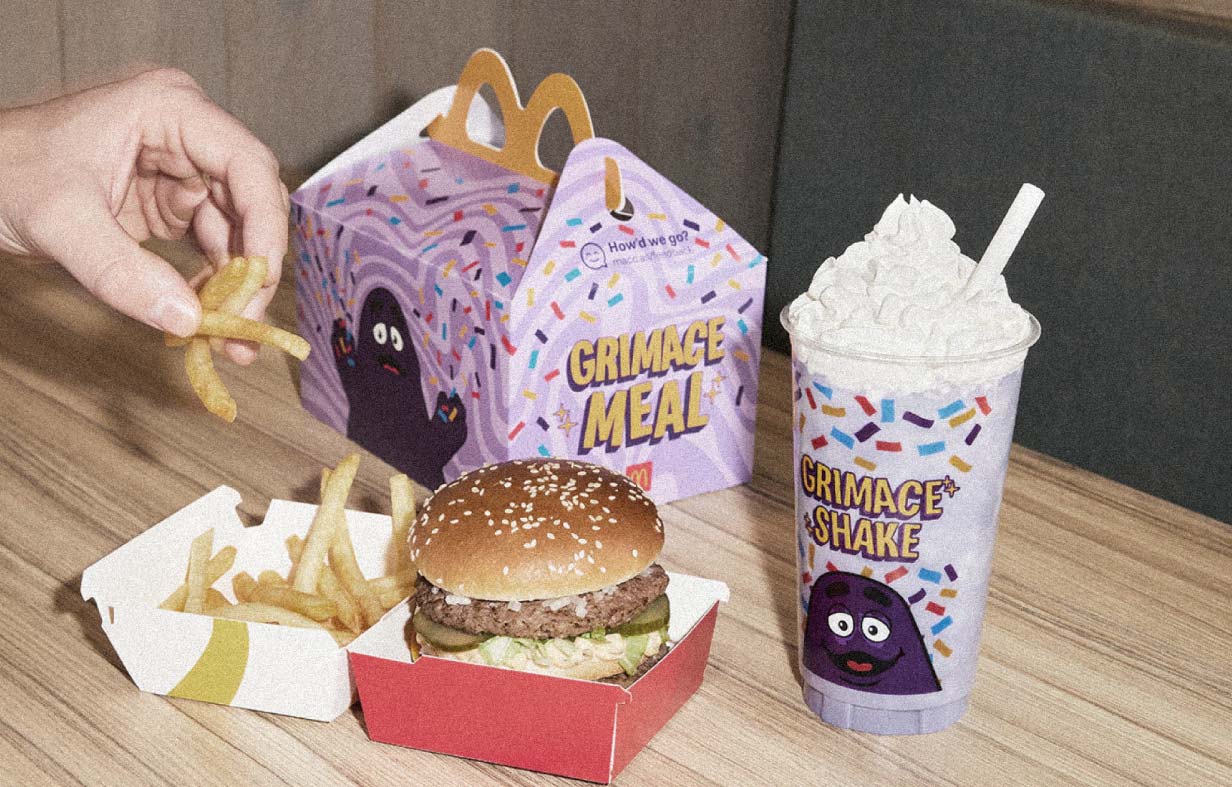
case 1: mcdonald’s “grimace shake” – when the internet hijacks your message
the intention
mcdonald’s wanted to celebrate grimace’s birthday with a fun, nostalgic, violet milkshake moment.
cute. harmless. simple.
the reality
the internet said:
“what if this shake… killed people?”
overnight, creators began filming “grimace shake horror videos” where they’d drink the shake, disappear, get dragged across the floor, or end up in a dramatic crime scene.
it became a cultural event – but not the one the brand planned.
what went wrong
mcdonald’s didn’t do anything bad, but they underestimated how chaotic gen z humor is.
if your brand doesn’t shape the story, the internet will – and it may not go your way.
1. the internet never behaves predictably
the more innocent a campaign is, the more likely gen z will turn it unhinged.
2. brands need cultural awareness, not control
you can’t fight memes.
you can only flow with them.
3. chaos can be good – if you’re ready for it
the grimace shake became one of the biggest organic marketing moments in 2023.
but if mcdonald’s had leaned in earlier, it would’ve been even bigger.

case 2: bud light – the “we can please everyone” strategy (spoiler: you can’t)
the intention
bud light collaborated with creator dylan mulvaney.
a simple influencer partnership.
something that happens 1000 times a day.
the reality
the brand faced backlash from multiple sides – not because of the collab itself, but because their response was weak, unclear, and contradictory.
gen z wasn’t mad at the collab.
they were mad at the lack of a spine.
what went wrong
it wasn’t the partnership.
it was the reaction.
bud light tried to please everyone and ended up pleasing no one.
their messaging became muddy, corporate, and reactive.
they didn’t clarify their values.
they didn’t take ownership.
they didn’t stand confident in their decision.
what we learn
1. culture rewards clarity
unclear values are worse than controversial ones.
2. silence feels like guilt
when brands avoid standing up for their own decisions, audiences lose trust.
3. “neutral” isn’t a brand position
in 2025, neutrality often reads as fear.
and fear is the fastest way to lose loyalty.
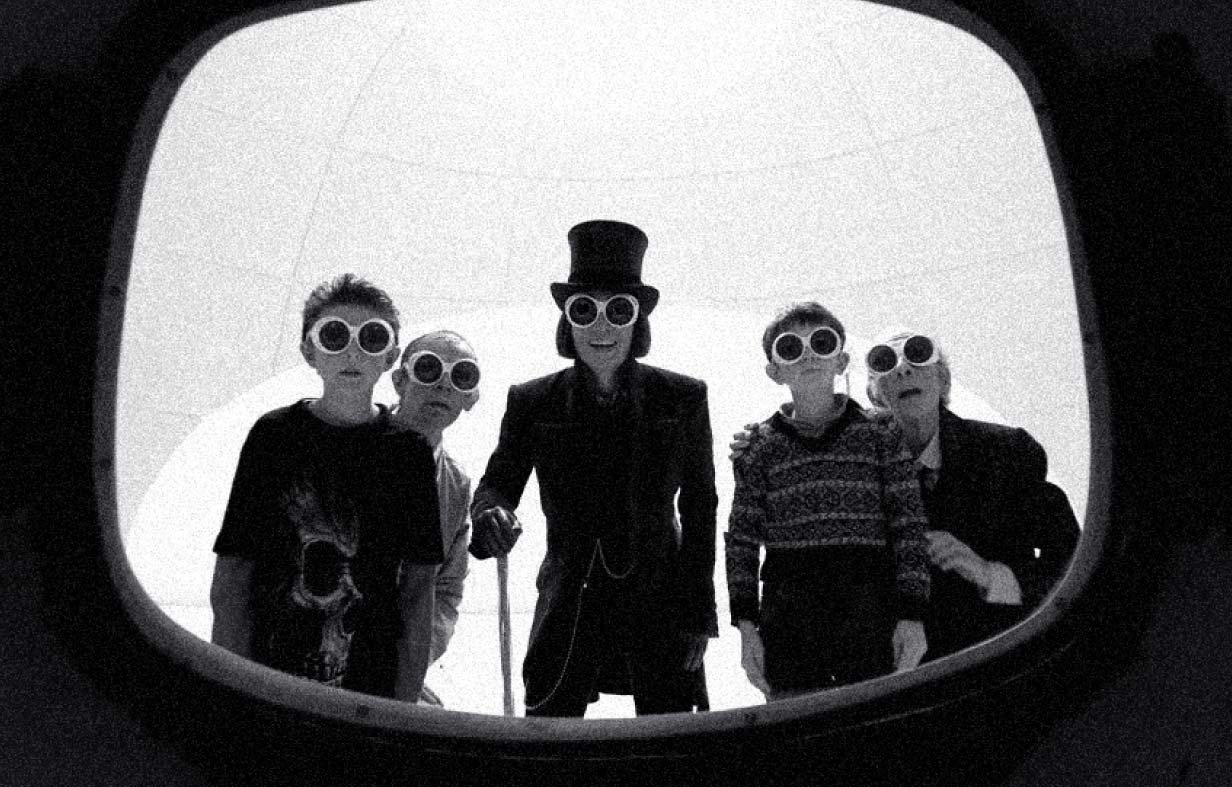
case 3: the “willy wonka experience” – the power of the internet to expose everything
the intention
a small scottish event company promoted a “willy wonka-themed immersive experience” with ai-generated visuals promising magical worlds, chocolate rivers, and cinematic quality environments.
the reality
parents arrived to:
- a sad warehouse
- random plastic props
- a single actor in a wig
- and a “candy station” that looked like a 3 AM gas station shelf
kids cried.
parents demanded refunds.
the internet united to roast it into oblivion.
what went wrong
the marketing overpromised.
the experience underdelivered.
the internet magnified the gap.
nothing goes unnoticed online.
nothing.
what we learn
1. ai visuals can’t replace reality
if your experience doesn’t match your promotion, you’re done.
2. authenticity > hype
people trust brands that deliver what they promise.
not brands that use ai art to trick them.
3. virality works both ways
good experiences scale.
bad ones scale faster.
the common thread: culture always wins
these campaigns failed for different reasons, but they all share one root issue:
the brands didn’t understand the culture they walked into.
culture is not optional in marketing – it’s the foundation.
if you don’t know:
- what people are talking about
- what humor they use
- what topics are sensitive
- what your audience values
- what trends are emerging
- what formats they love
- what creators they trust
- what communities they belong to
…your campaign is a gamble.
and the internet does not spare those who gamble blindly.
how brands can avoid these mistakes in 2025
1. hire people who actually understand the internet
not “social media managers with 10 years of experience.”
people who live online culture.
2. test ideas inside micro-communities
if your niche audience doesn’t like it, the mass market definitely won’t.
3. be ready to react – fast
culture moves at jet speed.
brands need reaction time measured in hours, not weeks.
4. embrace the unexpected
you can guide a narrative, not control it.
5. know your brand’s identity before you speak
if you stand for nothing, culture will chew you up.
6. don’t insult your audience’s intelligence
no overpromising.
no pretending.
no ai fantasies without real backing.
7. build campaigns that are flexible, not fragile
create ideas that can evolve, break, remix, or get memed – without collapsing.
the push perspective: culture isn’t a trend – it’s the strategy
successful campaigns today aren’t about big budgets or perfect visuals.
they’re about cultural fluency.
brands that get culture win attention.
brands that ignore it become examples in blogs like this one.
your marketing has to move, react, adapt, and evolve – constantly.
that’s the game now.
if you want marketing that doesn’t embarrass you online, get a team that actually understands the internet.
push your culture awareness.
push your creative edge.
push your brand off the limits.