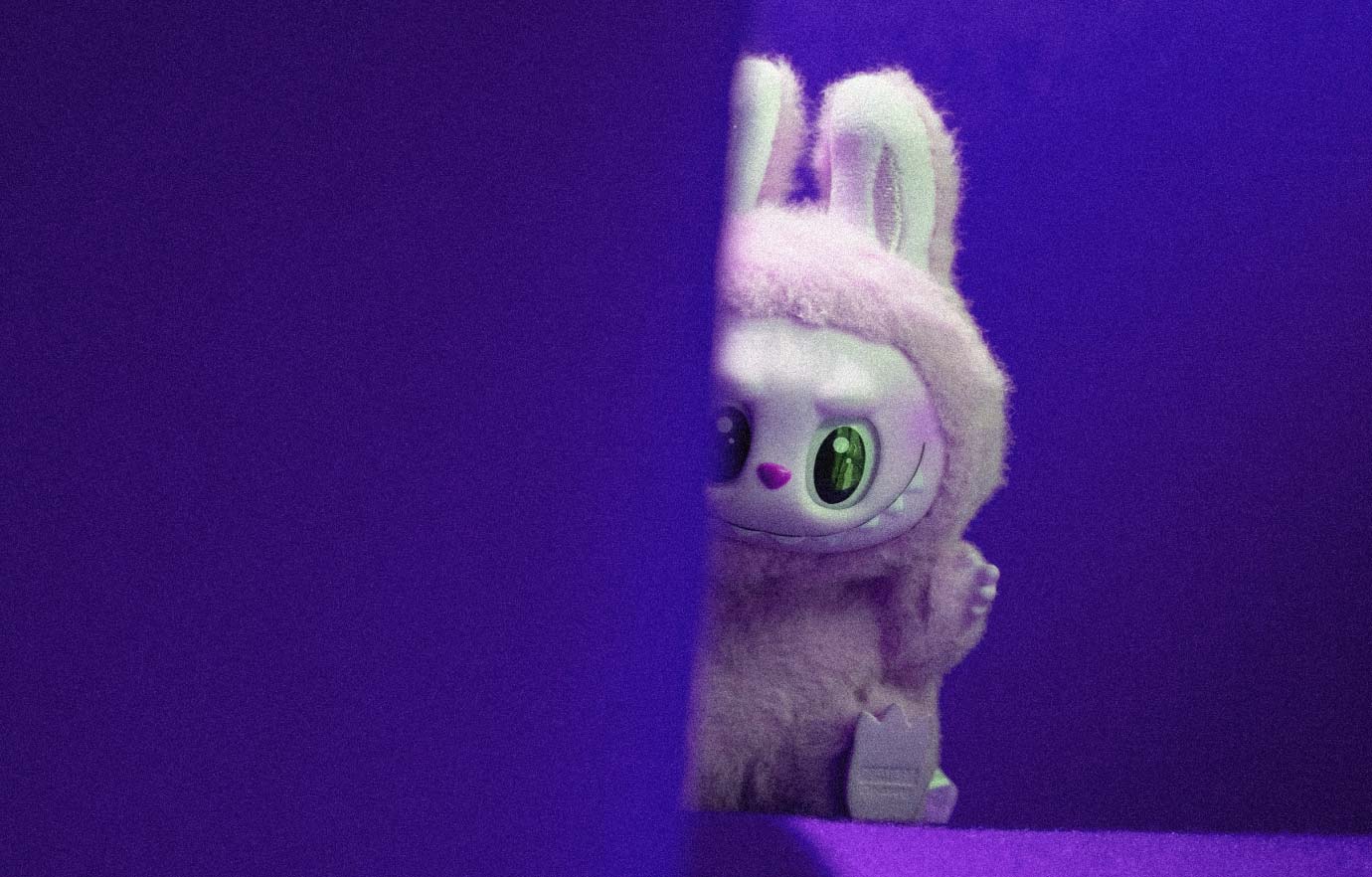
in a world where disney dominates cute, polished characters, how did a goblin-like figure with sharp teeth and mischievous eyes become a global collectible? enter labubu, one of pop mart’s breakout stars.
born from hong kong artist kasing lung’s imagination, labubu started as an art toy. today, it’s not just sitting on collectors’ shelves-it’s appearing in streetwear drops, museum exhibitions, and viral tiktok videos. this blog explores the labubu marketing strategy and how pop mart turned a weird little figure into a cultural phenomenon.
pop mart’s ecosystem: where labubu began
the blind box model
pop mart isn’t just a toy company-it’s a psychology-driven marketing machine. their model centers on blind boxes, where buyers don’t know which figure they’ll get until they open it.
this taps into:
- dopamine rush – the thrill of the reveal.
- collecting instinct – people keep buying to complete sets.
- resale culture – rare figures resell for multiples of retail.
labubu thrived in this ecosystem because its design stood out: not cute, but odd, edgy, and unique.
scarcity baked in
limited runs, seasonal releases, and rare “chase figures” ensured that labubu never flooded the market. in marketing terms, scarcity became part of the product.
why labubu resonated with gen z
ugly-cute and different sells
gen z doesn’t want perfect mascots-they want characters that feel authentic, imperfect, even a little rebellious. labubu’s “ugly-cute” aesthetic is exactly that.
internet-friendly
labubu became a meme magnet: its quirky expressions are perfect for reaction content on tiktok, weibo, and instagram.
identity signaling
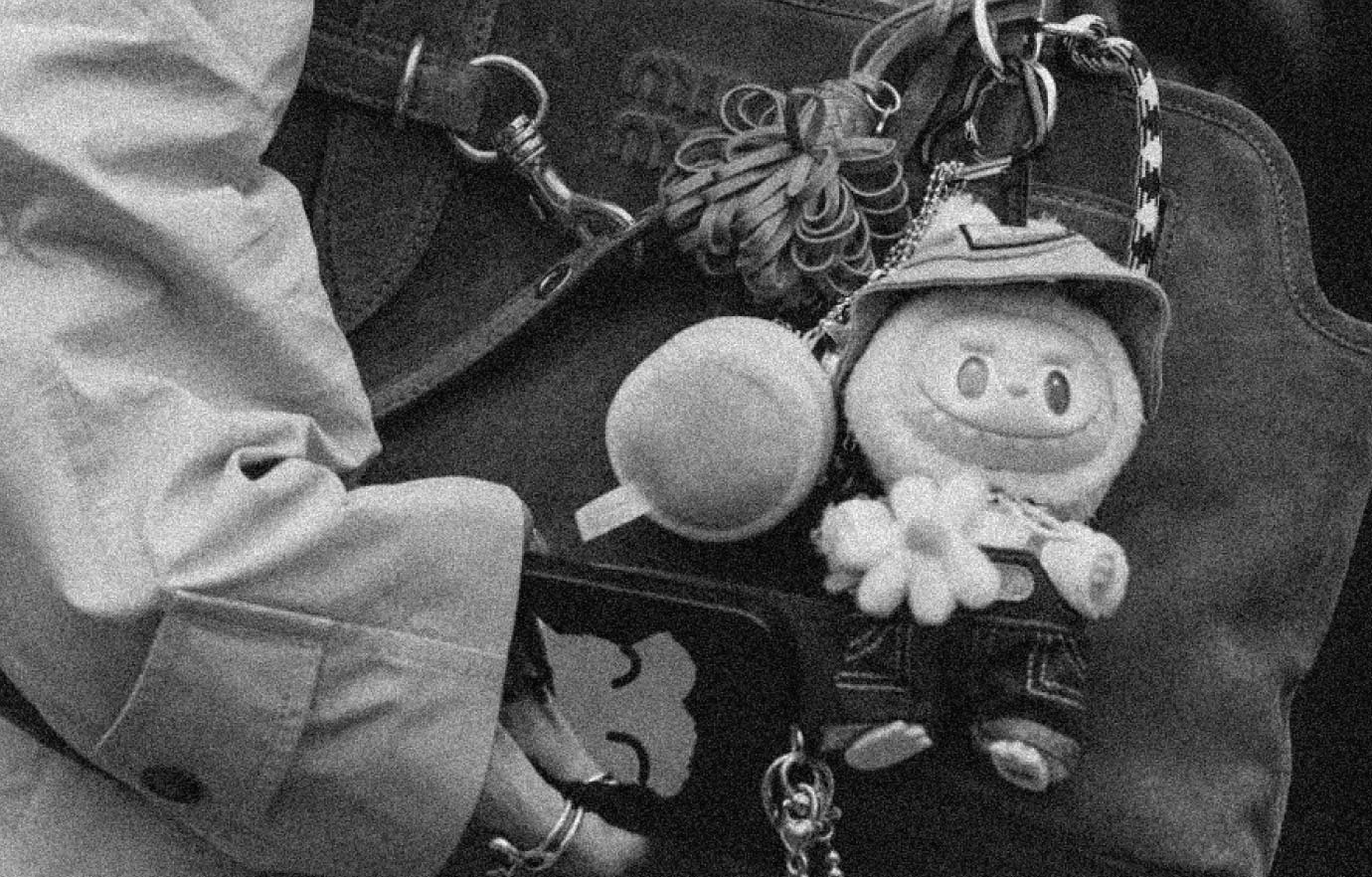
owning labubu isn’t just about toys-it’s about signaling taste. collecting labubu tells your peers you’re part of a global, niche-but-cool community.
the marketing strategy behind labubu
1. collaborations with fashion & art
labubu didn’t stay in toy stores. it jumped into streetwear collabs, sneakers, and art exhibitions, bridging subcultures. this positioned it as art and fashion-not just merch.
2. community-driven hype
tiktok, instagram reels, and weibo filled with “labubu unboxing” videos. the unboxing itself became an event, extending the experience beyond the purchase.
3. cross-market positioning
in china, labubu is tied to the blind box craze. in the west, it’s treated like an art collectible. pop mart successfully tailored its messaging for each market while keeping the brand consistent.
results: labubu’s global takeover
- pop mart revenues jumped 30%+ year-over-year, with labubu leading the charge.
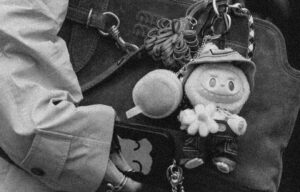
- resale markets in asia, europe, and the u.s. see labubus selling for hundreds of dollars.
- labubu is now part of the art-toy canon, alongside names like bearbrick and kaws.
google trends shows searches for “labubu pop mart” spiking outside asia, proving its crossover success.
lessons for brands: what labubu teaches us
1. embrace the weird
not every brand has to be polished. embracing “ugly-cool” can set you apart in a market saturated with “cute.”
2. gamify the purchase
blind box marketing shows how turning the buying process into a game creates stickiness and repeat purchases.
3. expand through culture, not just product
labubu worked because it crossed categories-from toys to art to fashion. expansion wasn’t forced; it felt organic.
conclusion: labubu’s future and pop mart’s playbook
the labubu marketing strategy is proof that scarcity, community, and cultural positioning can transform a niche toy into a global phenomenon.
for brands, the lesson is clear: don’t be afraid to go weird, don’t overlook the buying experience, and don’t box yourself into one industry.
labubu isn’t just a collectible-it’s a case study in how to build a cultural icon.