introduction: from hardware store shelves to tiktok fame
if you told marketers ten years ago that a 40oz thermos would become the it-accessory of gen z, most wouldn’t believe you. yet here we are-stanley cups are selling out in minutes, sparking fights in target aisles, and even creating resale markets where pastel water bottles go for double retail price.
what’s behind the craze? the stanley cup’s rise isn’t luck-it’s a masterclass in brand repositioning, influencer partnerships, scarcity marketing, and cultural timing. this blog unpacks the stanley cup marketing strategy and what brands can learn from it.
the brand pivot: stanley’s surprising rebrand
from rugged utility to lifestyle must-have
for over a century, stanley was known for durable thermoses-products built for campers, tradesmen, and outdoor enthusiasts. sales were steady but unremarkable, and younger generations barely noticed the brand.
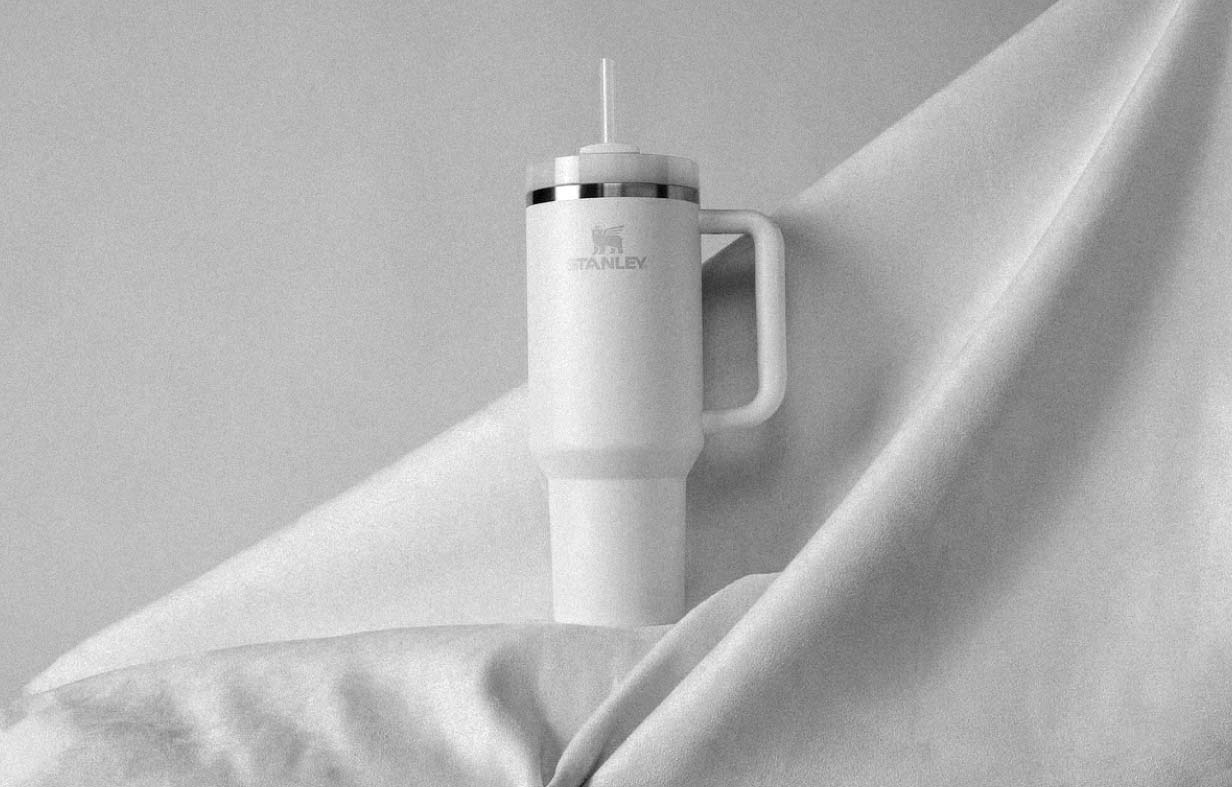
everything changed in 2019 when stanley reintroduced the 40oz quencher cup. instead of focusing on rugged masculinity, they pivoted toward aesthetic utility: pastel colors, sleek handles, and a car-cupholder-friendly base.
this repositioning opened stanley to a whole new demographic-millennial and gen z women who wanted hydration that matched their lifestyle and instagram feeds.
influencer strategy: the buy guide effect
how micro-influencers sparked virality
stanley didn’t start with celebrity endorsements or massive ad budgets. instead, they worked with the buy guide, a group of lifestyle influencers who already had credibility with their audience.
these influencers championed the quencher on instagram, highlighting features like:
- fits in car cup holders
- keeps drinks cold for 12+ hours
- comes in trendy pastel shades
- has a wide handle for easy carrying
soon after, tiktok creators picked up the trend. “what’s in my stanley cup” videos flooded feeds, giving the brand grassroots traction.
seo insight: search interest for “stanley cup tiktok” spiked in 2022, proving the platform’s central role in driving adoption.
scarcity marketing: why limited drops fuel desire
the psychology of “get it before it’s gone”
one of stanley’s smartest moves was limiting supply. instead of flooding the market, they released limited-edition colors-lavender, rose quartz, sage green-that sold out almost instantly.
this created:
- urgency – buyers felt pressure to act fast.
- collectibility – owning multiple colors became a badge of pride.
- community buzz – every sellout fueled online chatter and “hunt for the next drop” videos.
in behavioral economics, this is called the scarcity principle-people assign more value to things they perceive as rare. stanley executed it flawlessly.
cultural resonance: hydration as identity
water bottles as lifestyle branding
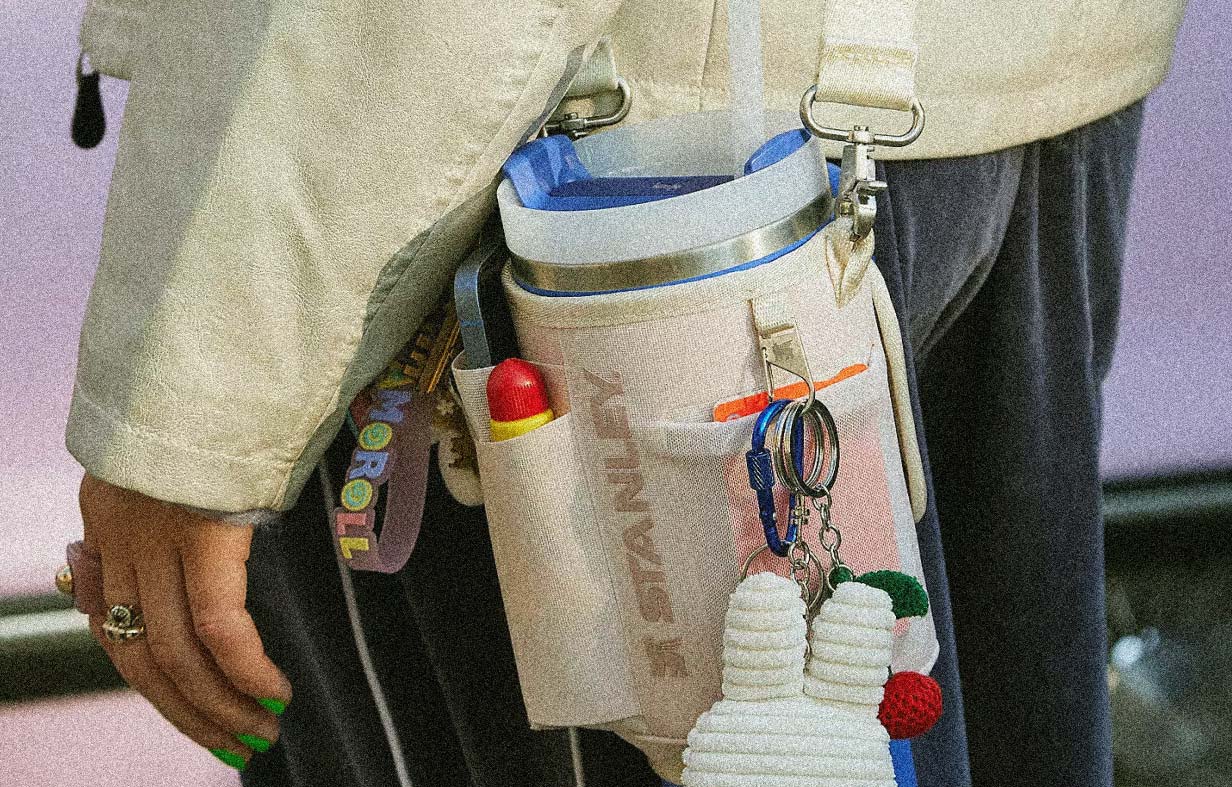
the rise of wellness culture made hydration a lifestyle flex. just as lululemon turned leggings into a symbol of healthy living, stanley cups became shorthand for organized, eco-conscious, stylish living.
customers didn’t just buy a cup-they bought into an identity:
- the wellness influencer – green juice or lemon water in a pastel cup.
- the busy mom – hauling her stanley to school drop-offs and errands.
- the collector – proudly stacking multiple cups in tiktok videos.
the brand was no longer selling hydration-it was selling belonging.

results: stanley’s meteoric rise
- $750 million+ in sales in 2023, up from just $70 million in 2019.
- resale markets on ebay and poshmark where cups listed for $100+.
- gen z brand adoption so strong, the cup became a meme and a status symbol.
google searches for “stanley quencher” now outpace searches for hydro flask and yeti combined-two of its biggest competitors.
lessons for brands: how to build your own stanley moment
1. micro > macro influencers
you don’t need a kardashian to go viral. niche creators with loyal followings drive more authentic traction than a mega-endorsement.
2. scarcity is a feature, not a bug
limited runs and special drops create urgency, elevate desirability, and keep your audience engaged between releases.
3. design matters more than utility
yes, the cup keeps water cold-but so do dozens of cheaper bottles. the design and colorways are what make people want it.
4. make it about identity, not product
people don’t buy a stanley cup just to hydrate. they buy it because it signals who they are-or who they aspire to be.
conclusion: why stanley cups are popular-and what’s next
the stanley cup marketing strategy shows how a brand can reinvent itself by understanding cultural shifts, leveraging micro-influencers, and creating demand through scarcity.
in 2025, the question is how long stanley can sustain the hype. will it keep reinventing with new collabs, or fade like other fads? for now, the brand remains a case study in how to turn a commodity into a cultural icon.