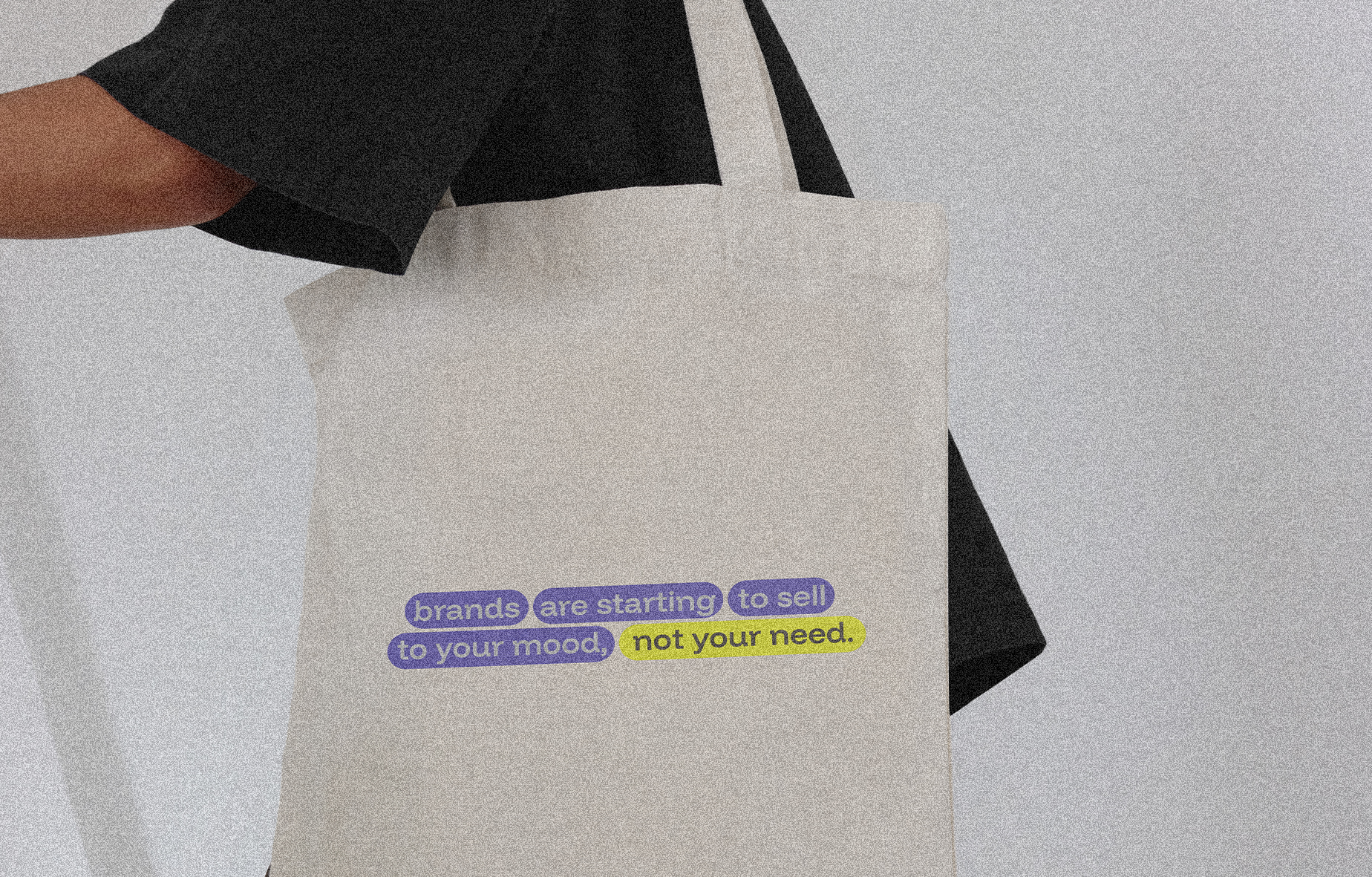
people don’t ignore your product. they ignore themselves in it
people don’t buy when they understand you. they buy when they feel understood.
this is where most brands get it wrong. they think clarity is enough. they explain the product better, they list more benefits, they improve visuals, they make everything look more professional. and still nothing changes.
not because the product is bad. not because the strategy is broken. but because none of it feels personal.
understanding doesn’t move people. recognition does.
people don’t act when something makes sense. they act when something feels like it’s about them. if that feeling is missing, everything else becomes secondary.
most brands are visible, but not relatable
a lot of brands are doing everything right on paper. they post consistently, follow trends, improve design, stay active across platforms. from the outside, it looks like progress.
but nothing builds.
no real connection, no attention that leads to action, no growth that compounds. everything is visible, but nothing is relatable.
and that’s the gap.
people don’t connect with brands that just exist. they connect with brands that feel familiar. brands that sound like them, think like them, and understand what they’re dealing with.
when a brand feels distant, people don’t try to understand it. they move on.
how people actually scroll
people don’t scroll logically. they scroll emotionally.
they don’t stop to analyze content or compare options. they don’t read everything carefully. they feel it first.
and the decision happens instantly.
either something feels relevant or it doesn’t.
the reason someone stops is simple. not because something looks impressive, but because something feels familiar.
you’ve seen it yourself. you stop when something reflects your situation. when it feels like it’s already in your head.
that moment is everything.
if it doesn’t happen, they don’t stay long enough to care.
the only question that matters
every piece of content gets judged by one question.
“is this for me?”
not out loud, but instantly.
everything else comes after. price, features, design, none of it matters if that answer is unclear.
this is why most content fails. it answers questions people are not asking yet. it explains too early and connects too late.
and without connection, nothing holds attention.
why generic marketing doesn’t convert
people have seen everything.
phrases like “high quality,” “best service,” or “we help you grow” don’t fail because they’re wrong. they fail because they mean nothing.
they could belong to anyone.
and if your message could belong to anyone, it doesn’t belong to you.
people don’t connect with perfect sentences. they connect with specific situations. something that reflects their reality.
when your message is too broad, it becomes invisible. not because it’s bad, but because it doesn’t feel relevant enough to stop for.
people buy what feels real
people don’t buy what looks impressive. they don’t buy what sounds smart.
they buy what feels real.
when someone sees your content and immediately recognizes their situation, everything changes. they don’t need to be convinced. they don’t need a long explanation. they’re already paying attention.
because now it’s not just content. it’s something that connects.
and connection removes resistance faster than any argument.

real-world examples of connection
this is already happening across platforms.
look at skincare content. creators don’t sell products directly. they show routines. real skin, real problems, real use. people don’t feel like they’re being sold to. they feel like they’re watching something familiar.
look at notion tutorials. people don’t promote the tool with features. they show how they organize their life, their work, their thinking. the product becomes relevant because it fits into something useful.
look at “day in the life” content. creators show their workflow, their routine, their decisions. tools appear naturally inside that process. nothing is forced, but everything makes sense.
this is how to make marketing feel natural.
where most brands lose connection
most brands try to sound like a brand.
they become more formal, more structured, more polished. they remove anything that feels too emotional, too specific, too real.
they replace natural language with “correct” language.
and in that process, they remove everything human.
what’s left looks professional, but feels empty.
it communicates clearly, but it doesn’t connect.
and without connection, clarity doesn’t convert.
connection starts where people feel seen
connection doesn’t come from better wording. it comes from recognition.
people connect with what feels honest.
what’s frustrating, what’s not working, what feels unclear, what people experience but don’t always say.
this is where attention shifts.
because this is where people feel seen.
and when people feel seen, they stay longer, trust faster, and respond differently.
situations outperform statements
most brands communicate in statements.
they describe what they do, what they offer, what they believe.
but people don’t connect with statements. they connect with situations.
when you describe something someone is already going through, they don’t need to interpret your message. they recognize it instantly.
that recognition creates clarity without effort.
and effort is where most content loses people.
if someone has to think too much to understand if something is relevant, they leave.
clarity is speed, not volume
brands often try to fix performance by adding more information.
more details, more benefits, more explanation.
but people are not looking for more. they’re looking for faster understanding.
they want to know what this is, who it’s for, and why it matters, instantly.
if that doesn’t happen quickly, they move on.
not because they’re not interested, but because it didn’t feel clear fast enough.
recognition builds trust faster than anything
trust doesn’t come from what you say about your product.
it comes from how well you describe someone’s reality.
when people feel understood, they stop questioning everything. they stop analyzing every detail.
because it no longer feels like a random brand talking to them.
it feels like something made for them.
and that changes how they decide.

your product is not the center
this is where most brands get stuck.
they think their product is the main focus.
but it’s not.
your audience is. their situation, their mindset, their stage.
your product only becomes relevant when it fits into that.
but most brands reverse it. they talk about themselves first.
and people don’t care until they feel included.
specificity feels risky, but it works
a lot of brands avoid being specific because it feels limiting.
they think they need to reach everyone.
but when you try to reach everyone, no one feels addressed.
specificity doesn’t reduce your audience. it clarifies it.
when you speak directly to the right people, they recognize it instantly.
and that connection is stronger than broad visibility.
the shift that changes results
most brands ask how to explain things better.
the real question is different.
how do you make someone feel like this is about them?
that shift changes everything.
your content becomes clearer, your message becomes stronger, and your results become more consistent.
because now you’re not just communicating. you’re connecting.
what happens when people see themselves
when people recognize themselves in your content, everything becomes easier.
they stop scrolling, they pay attention, they trust faster, and they act sooner.
you don’t need to push or convince.
it just makes sense to them.
what happens when they don’t
when people don’t see themselves, they leave.
not because your product is bad, not because your content is wrong, but because it didn’t feel relevant.
and irrelevance is invisible.
no reaction, no engagement, no results. just silence.
conclusion
people don’t buy because something is clear.
they buy because it feels right.
because it matches their reality.
if people don’t see themselves in your brand, they won’t stay long enough to understand anything else.
push it further
if your content feels “good” but doesn’t convert, it’s not a content problem.
it’s a connection problem.
we help brands move from sounding right to feeling right, so people don’t just see your brand, they recognize themselves in it.
push your message
push your clarity
push your brand off the limits