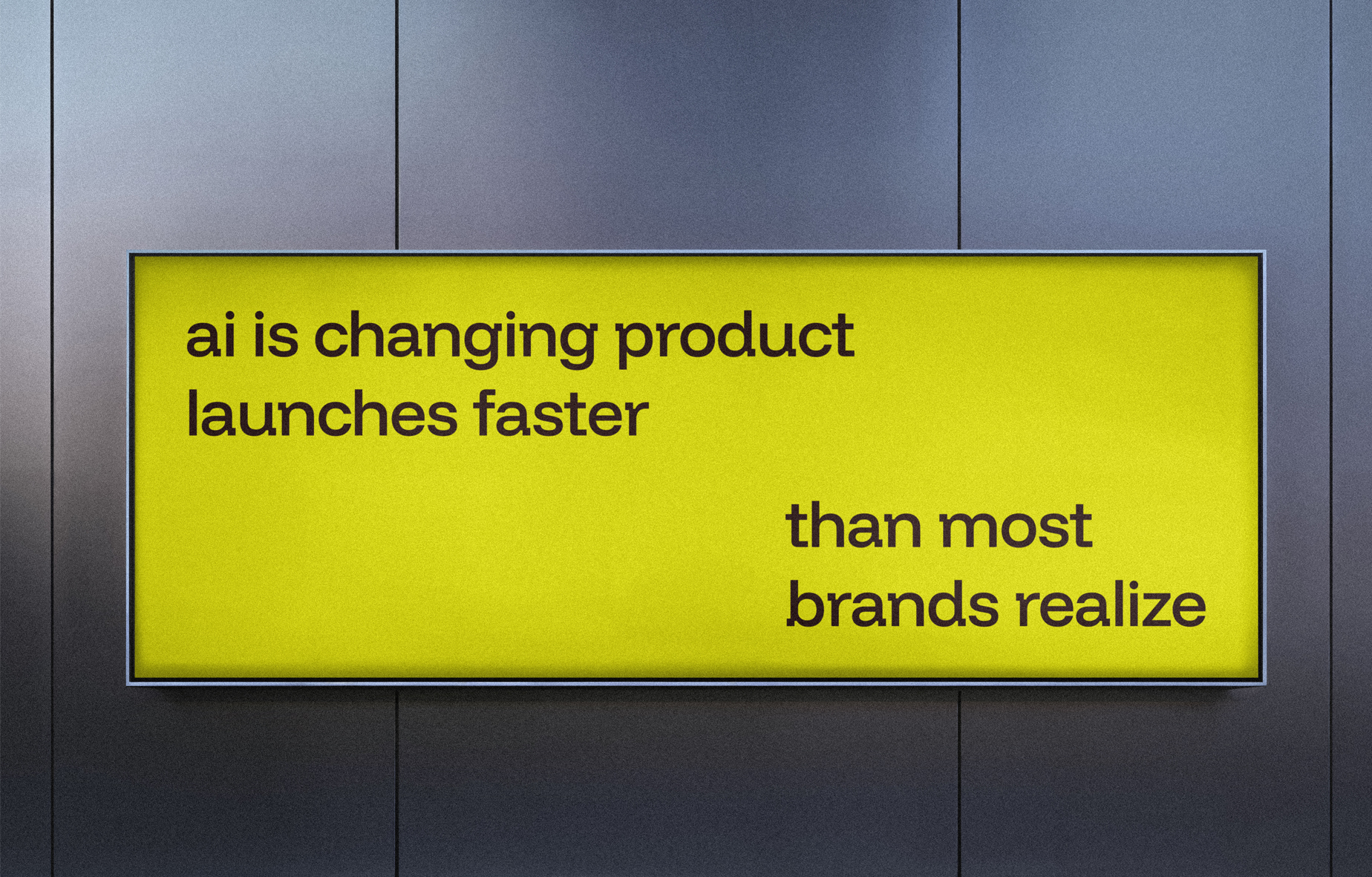
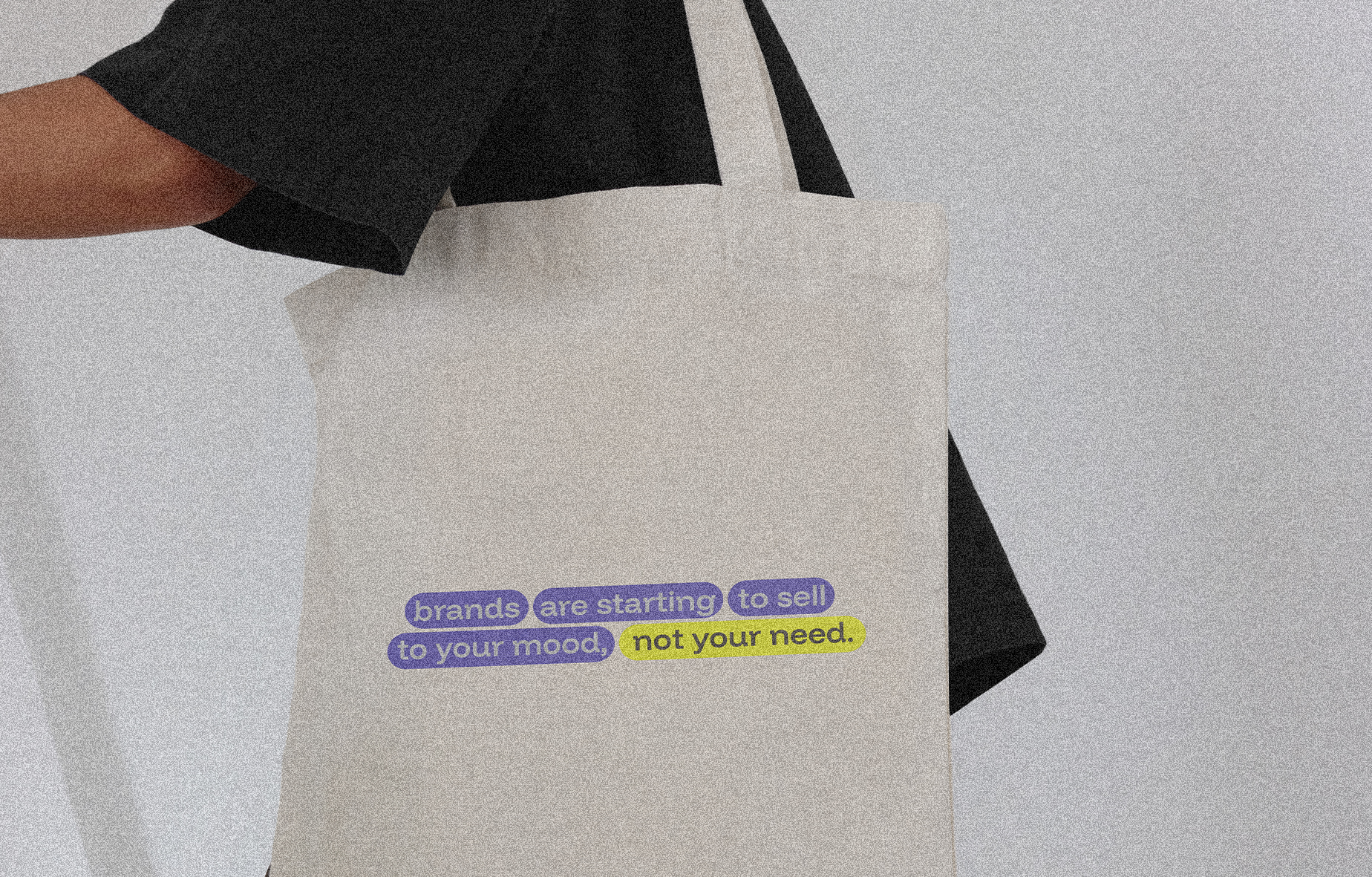
marketing isn’t failing. it’s being ignored.
marketing didn’t stop working. people just stopped reacting to it the same way.
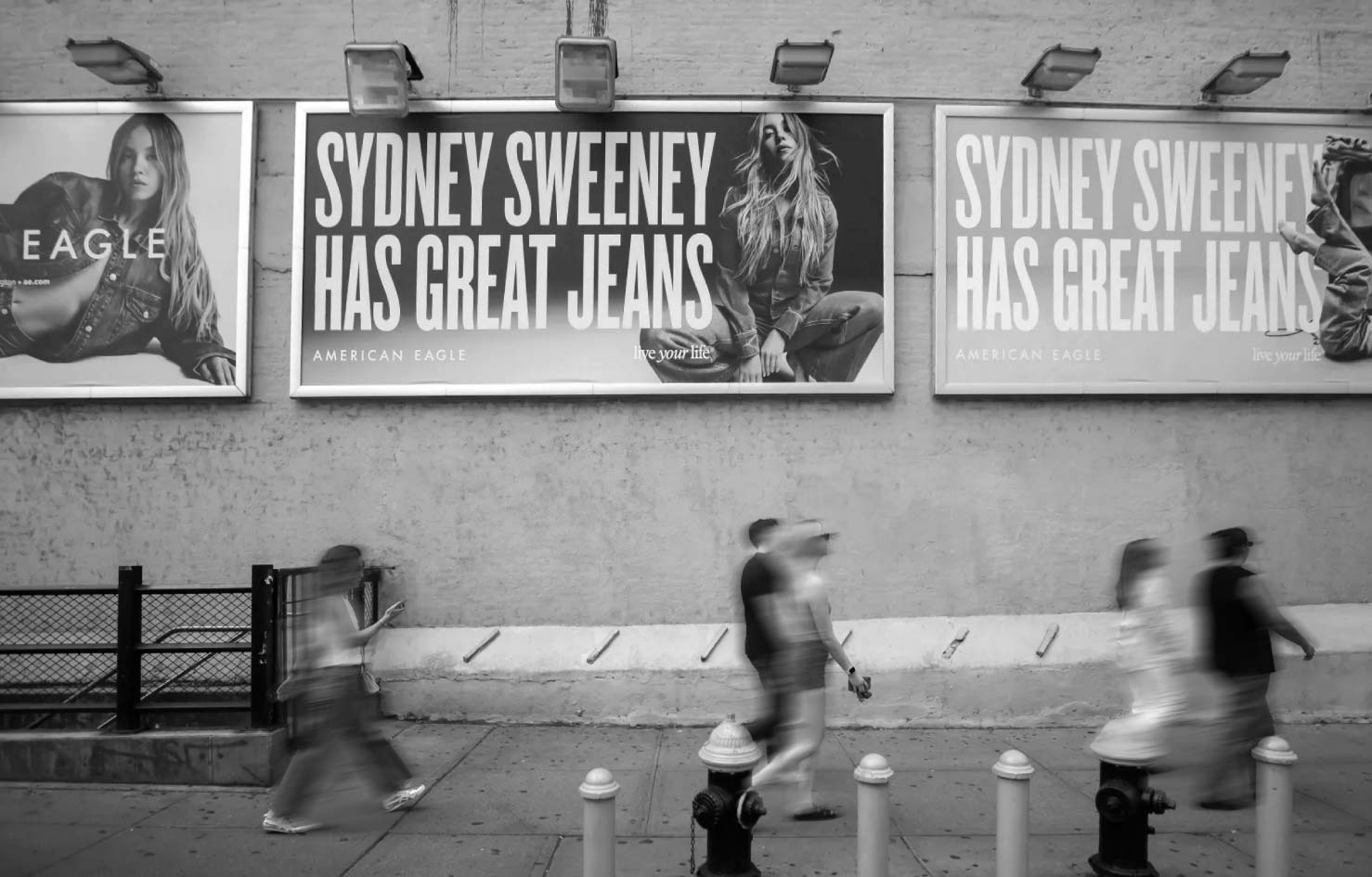
the real problem isn’t that there are too many ads. it’s that they all feel the same. same structure, same tone, same intention. people don’t need time to process that anymore. they recognize it instantly. and once something is recognizable, it becomes ignorable.
no one sits and decides to reject an ad. it happens before that. the brain filters it out the moment it feels like persuasion. if it looks like marketing, it gets treated like marketing. and marketing today means interruption.
this is where most brands lose without realizing it. they keep optimizing what is already being ignored instead of questioning why it is being ignored in the first place.
this is exactly where invisible marketing strategy starts. not by improving the push, but by removing it.
what is invisible marketing
invisible marketing is not about hiding your product. it’s about removing resistance to it.
instead of building content around the product, you place the product inside content that already makes sense. instead of interrupting attention, you enter attention that already exists.
this is the core of how to make marketing feel natural.
most brands start with the product and try to force attention toward it. invisible marketing starts with attention and finds where the product fits. that shift changes everything about how communication works.
the product is still there. the message is still clear. but it’s not delivered as a pitch. it’s delivered as part of a situation. and because of that, it doesn’t trigger the same reaction. people don’t feel pushed. they feel like they’re seeing something that already fits into their reality.
why traditional marketing is losing effectiveness
most traditional marketing is built on one assumption: more visibility leads to more results.
so brands increase reach, increase content, increase exposure. but attention is no longer the bottleneck. trust is.
people scroll constantly. they see everything. they consume content faster than ever. the problem is not whether your content appears. the problem is whether it is believed.
and belief breaks the moment something feels like marketing.
phrases like “high quality,” “best service,” or “we help you grow” don’t fail because they’re wrong. they fail because they’re generic. they could belong to anyone. and if your message could belong to anyone, it doesn’t belong to you.
this is why traditional marketing is losing effectiveness. not because marketing stopped working, but because people stopped trusting how it looks.

resistance is not a reaction, it’s a reflex
people don’t evaluate most marketing messages. they reject them automatically.
the moment intent becomes obvious, resistance appears. not logically, but behaviorally.
this is why aggressive campaigns often underperform even when the offer is strong. the issue is not the product. the issue is the friction created before the product is even considered.
the clearer the push, the faster the rejection.
invisible marketing strategy works because it removes that friction at the start. it doesn’t try to convince people. it allows them to understand without feeling influenced.
how invisible marketing works in real life
this shift is already happening everywhere.
look at skincare content. brands no longer rely only on polished ads. instead, creators show real routines, unfiltered skin, and everyday use. the product is present, but it’s not the focus. it’s part of a real situation, which makes it believable.
look at saas tools. instead of feature-heavy landing pages, you see “day in the life” content or workflow breakdowns. a founder shows how they manage tasks, organize projects, or automate processes. the tool is not being sold. it’s being used.
look at notion tutorials or productivity content. people don’t promote the tool directly. they show how they think, how they structure work, how they solve problems. the product becomes relevant because it’s part of something useful.
these are not ads. but they influence decisions more than ads.
this is what real-world examples of invisible marketing look like.
why invisible marketing performs better
the advantage of invisible marketing is not creativity. it’s alignment.
it matches how people already consume content instead of trying to change their behavior.
when something doesn’t feel like marketing, people don’t activate their filters. they don’t question it immediately. they don’t skip it automatically.
this creates space for the message to land.
and once the message lands, trust builds faster. not because the brand is saying more, but because it feels closer to reality.
this is where performance shifts. not at the level of visibility, but at the level of belief.
trust is the only thing that compounds
attention is temporary. trust compounds.
you can buy reach, but you can’t buy credibility the same way. credibility is built through consistency, context, and experience.
people don’t decide based on how often they see something. they decide based on whether it feels believable.
and believability doesn’t come from polished messaging. it comes from real usage, real people, and real situations.
this is why overly perfect content often underperforms. it looks controlled. and controlled content feels less trustworthy than something that feels natural.

context creates meaning
a product without context is just an object.
context is what makes it understandable. it shows where something fits, when it matters, and why it is relevant.
this is why showing features is no longer enough. people don’t buy features. they buy outcomes they recognize.
when a product is placed inside a real situation, the need becomes clear without explanation. and when the need is clear, the decision becomes easier.
how to apply invisible marketing
applying invisible marketing is not about doing less. it’s about doing things differently.
you start with usefulness instead of promotion. if your content doesn’t help, it won’t hold attention.
you integrate your product into the content instead of separating it. it should feel like part of the experience, not an interruption.
you use real scenarios instead of abstract messaging. people connect with situations they recognize, not ideas they have to interpret.
you build presence instead of campaigns. consistency builds familiarity, and familiarity builds trust.
and you let others talk about you. because what people say about your product will always carry more weight than what you say about it.
this is how to make marketing feel natural in practice.
why invisible marketing matters in 2026
attention is overloaded. awareness is higher than ever.
people recognize patterns instantly and skip faster than ever.
so the brands that win are not louder. they are more aligned.
they don’t compete for attention. they position themselves inside it.
that’s the difference.
conclusion
marketing is not disappearing. it’s evolving.
from pushing to placing.
from visibility to credibility.
from interruption to integration.
the question is no longer how to get attention. it’s how to stay relevant without interrupting it.
push it further. if your marketing feels like marketing, your audience will treat it like marketing. and that means it will be ignored.
the goal is not to remove the sale. it is to remove the resistance around it.
we move brands from visible to valuable, from pushing to positioning, and from noise to impact. so your brand doesn’t just appear, it stays.
push your strategy
push your presence
push your brand off the limits