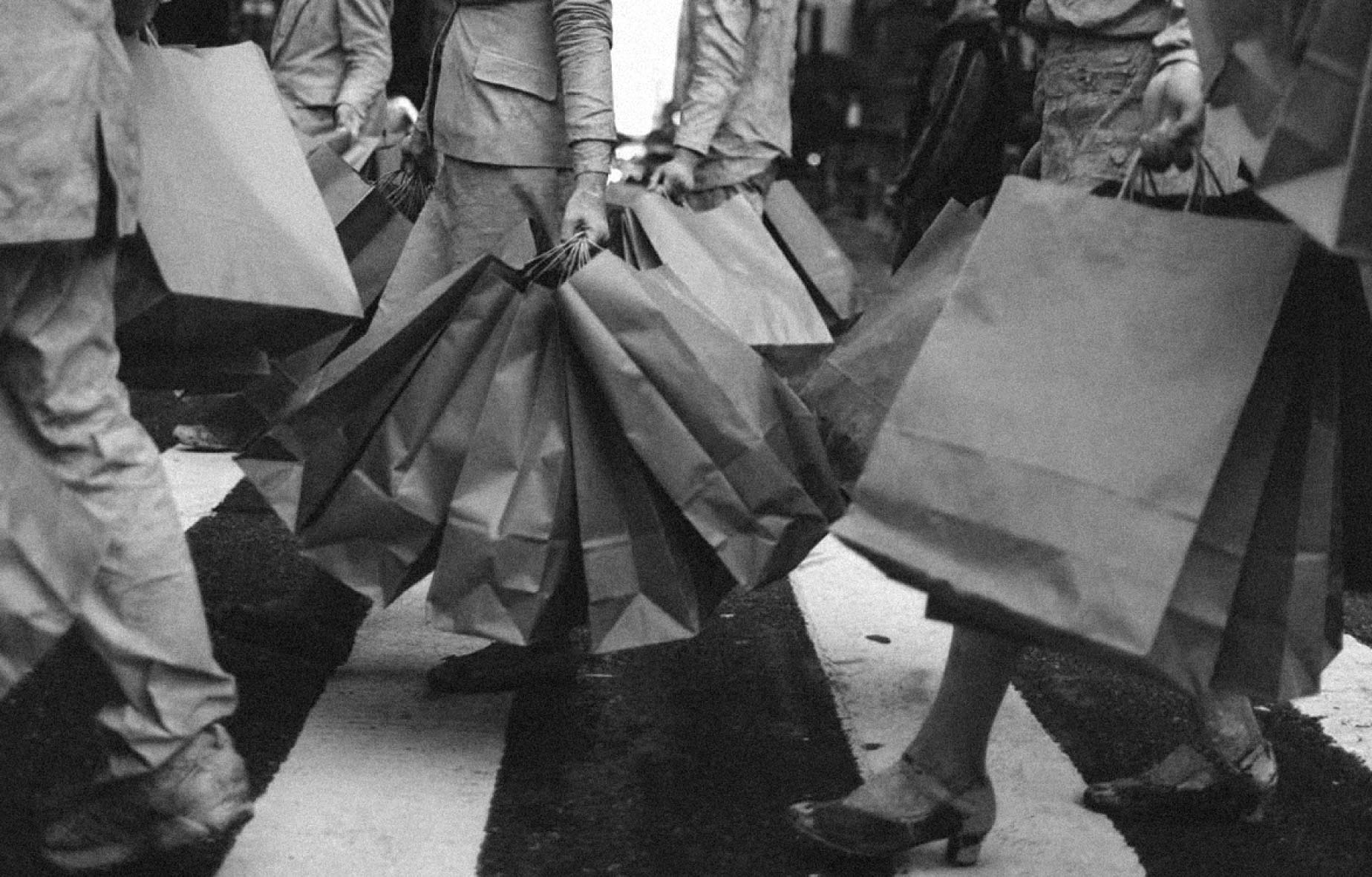
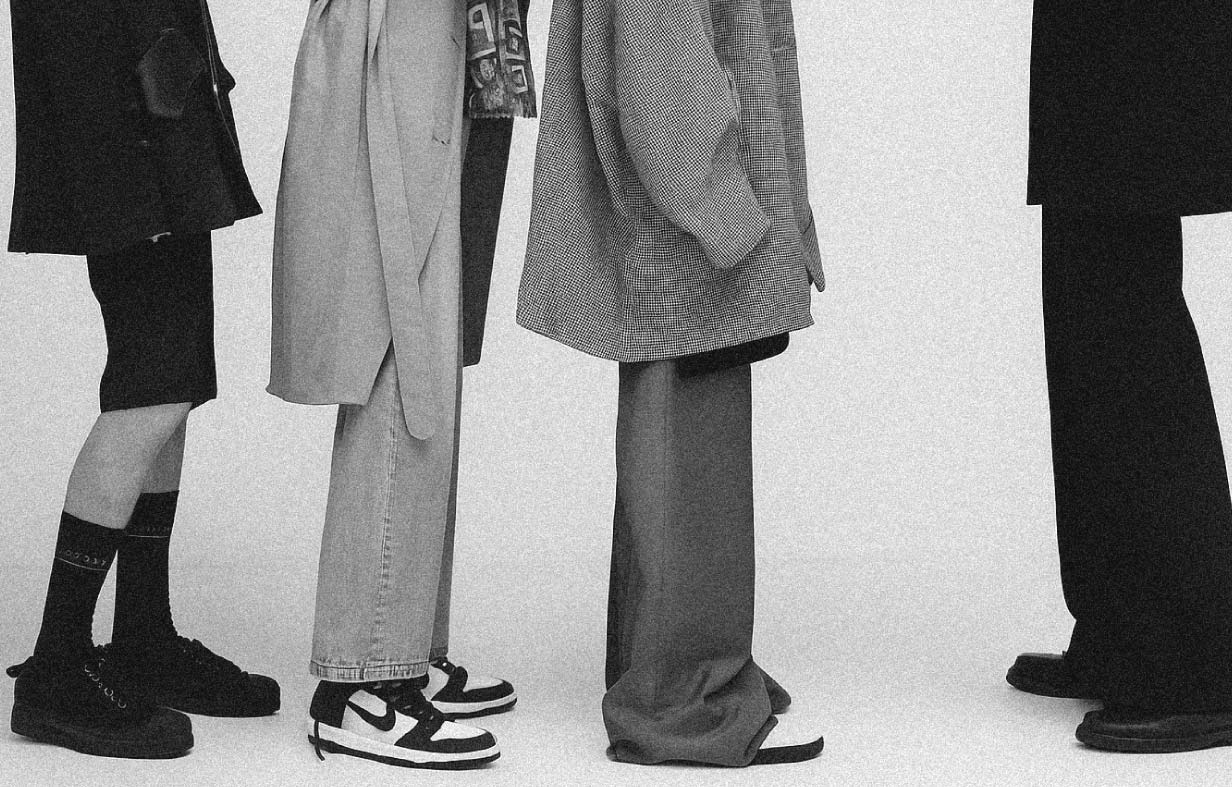
people don’t decide alone – they decide together
we like to think we’re independent thinkers.
we choose what to buy.
we form our own opinions.
we’re not influenced by others.
reality check:
most decisions are social decisions.
what we wear, eat, watch, listen to, and buy is shaped by:
other people
cultural trends
social signals
group behavior
perceived norms
this is the core of social psychology in consumer behavior – and in 2026, it’s more powerful than ever.
because now, “other people” are always visible.
what is social psychology in consumer behavior?
social psychology studies how people’s thoughts and actions are influenced by others.
in marketing, it explains:
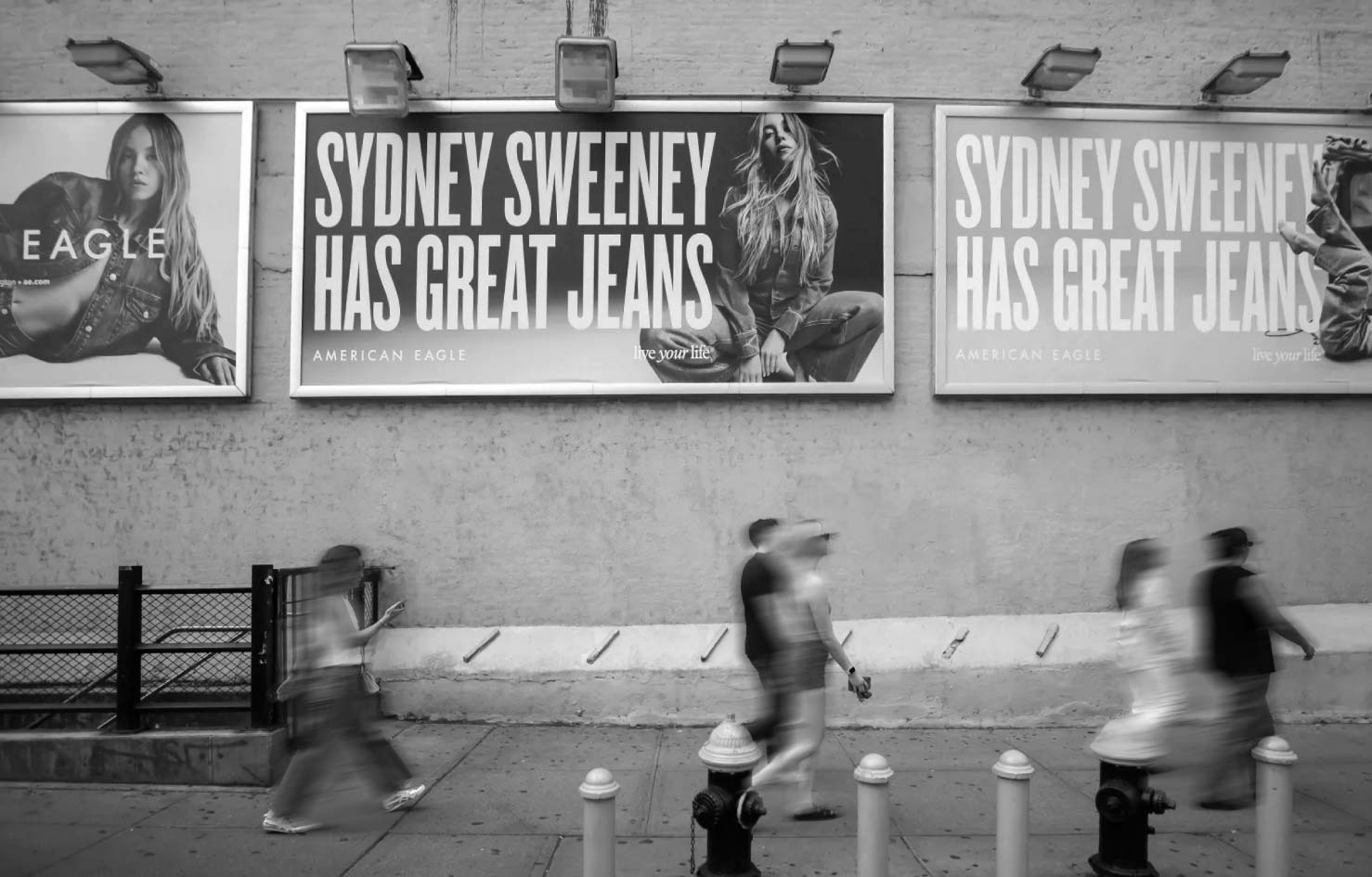
why people don’t just buy products – they buy what feels socially validated.
this includes:
following trends
trusting reviews
copying influencers
choosing popular options
aligning with groups
avoiding social rejection
in simple terms:
people don’t just ask,
“do i want this?”
they ask,
“do people like me want this?”
why social influence is stronger than ever in 2026
because we live in constant exposure.
people now see:
what others buy
what others wear
what others recommend
what others approve
what others reject
all day. every day.
through:
social media
creators
reviews
comments
communities
there’s no offline buffer anymore.
behavior is now public. influence is constant.
the key social psychology drivers behind consumer behavior
1. social proof – “if others trust it, i will too”
this is the strongest force in modern marketing.
people rely on others to reduce risk.
forms of social proof:
reviews
testimonials
UGC
creator content
comments
ratings
case studies
“best seller” labels
example:
a product with 10,000 reviews vs one with none.
decision made.

2. herd behavior – “everyone is doing it, so it must be right”
people follow groups, especially in uncertain situations.
this explains:
trends
viral products
sudden brand popularity
hype cycles
example:
stanley cups.
not a new product – but a social movement.
3. authority – “if they say it, it must be true”
people trust:
experts
professionals
creators with credibility
brands with reputation
example:
dermatologist-recommended skincare instantly feels more trustworthy.
4. belonging – “this feels like my people”
people buy to feel part of something.
this is where:
communities
niche brands
identity marketing
become powerful.
example:
gymshark didn’t just sell clothes.
it built a fitness community.
5. social comparison – “where do i stand?”
people constantly compare themselves to others.
this drives:
aspiration
status purchases
lifestyle upgrades
aesthetic consumption
example:
instagram doesn’t just show products – it shows lifestyles.
6. fear of missing out (fomo)
people don’t want to be left behind.
this drives:
urgency
trend adoption
impulse buying
example:
limited drops.
“only 24 hours left.”
exclusive access.
7. identity signaling – “this shows who i am”
people use products to communicate identity.
not just to themselves – to others.
example:
eco-friendly brands → sustainability identity
luxury brands → status identity
niche brands → uniqueness
minimal brands → simplicity
people don’t buy things.
they buy signals.
real-world examples of social psychology in action
1. tiktok trends
products go viral because:
people see others using them → they copy → loop continues.
2. apple
apple users don’t just buy devices.
they buy into a social identity:
creative, premium, modern.
3. amazon reviews
products with strong reviews dominate.
because social proof removes doubt instantly.
4. fitness brands
communities + transformation content = social motivation.
people don’t just want results – they want to belong.
5. luxury brands
people don’t buy luxury for function.
they buy it for perception.

how brands can use social psychology (without being manipulative)
1. show real people, not just products
faces > objects.
use:
customers
creators
real scenarios
real environments
people connect with people.
2. use social proof everywhere
don’t hide it.
highlight:
reviews
results
testimonials
before/after
comments
make trust visible.
3. build micro-communities focus on:
shared identity
shared language
shared values
community = long-term influence.
4. create content people want to share
shareability = social validation.
ask:
“would someone send this to a friend?”
5. make your brand part of identity
don’t just sell benefits. sell:
belonging
expression
lifestyle
meaning
6. use creators strategically
creators are social bridges.
they transfer trust from their audience to your brand.
7. design for visibility
people are more likely to buy things that are:
seen
shared
talked about
visible in everyday life
the biggest mistake brands make
thinking consumer behavior is individual.
it’s not.
it’s social.
if your marketing ignores:
culture
trends
community
group dynamics
you’re missing the real driver of decisions.
the future of social consumer behavior
expect:
stronger creator influence
deeper micro-communities
more identity-based brands
more social validation loops
faster trend cycles
higher demand for authenticity
less trust in traditional advertising
people trust people.
that’s not changing.
conclusion: people don’t buy alone – they buy together
every purchase is influenced by:
what others think
what others do
what others approve
what others reject
the brands that understand this don’t chase attention.
they build influence.
want a strategy built on real human behavior – not guesses?
we help brands tap into how people actually think, feel, and decide.
push your influence.
push your strategy.
push your brand off the limits.