there was a time when marketing was simple.
you had a need.
brands positioned themselves as the solution.
you compared features, price, quality.
you made a decision.
that model is breaking.
not slowly. structurally.
today, people don’t buy based on need alone.
they buy based on how they feel in the moment of decision.
and more importantly—brands are learning how to shape that moment.
this is where emotion-based marketing, customer psychology, and personalized selling stop being “tactics” and start becoming the entire strategy.
because the real competition is no longer:
who solves the problem better
it’s:
who understands the mood better
the shift from problem-solving to mood-matching
needs are stable.
moods are not.
this is the core shift most brands still underestimate.
a person might need:
- food
- clothes
- software
- entertainment
but how they feel when they decide changes everything.
same product.
different emotional state.
completely different decision.
this is why two brands selling identical products can perform radically differently.
one aligns with the moment.
the other doesn’t.
and in modern retail strategy, alignment beats logic more often than brands want to admit.
needs are rational. moods are behavioral
people like to believe they make rational decisions.
they don’t.
they justify decisions rationally after making them emotionally.
this is basic customer psychology, but now it’s amplified by the internet.
because online environments constantly influence:
- mood
- attention
- emotional state
- perception
scrolling itself is emotional.
and brands exist inside that scroll.
the scroll is not neutral
this is where most marketing strategies fail.
they treat digital environments as neutral distribution channels.
they’re not.
tiktok, instagram, youtube, even ecommerce websites—these are emotional environments.
people don’t arrive in a stable state.
they arrive:
- bored
- overstimulated
- anxious
- curious
- distracted
- dopamine-seeking
and that state determines what they respond to.
not the product itself.
attention is emotional, not logical
attention is often misunderstood as a visibility problem.
it’s not.
attention is emotional alignment.
people don’t stop because something is “important.”
they stop because something feels:
- relevant
- familiar
- stimulating
- validating
- mood-matching
this is why emotion-based marketing is dominating modern brand performance.
it doesn’t fight for attention.
it syncs with it.
brands are becoming emotional interfaces
look at how modern brands communicate.
less:
- product features
- technical benefits
- rational comparisons
more:
- vibe
- tone
- energy
- relatability
- emotional context
this is not accidental.
this is adaptation.
because people don’t interact with brands like catalogs anymore.
they interact with them like content.
content is the new storefront
in traditional retail strategy, the store was the experience.
now content is the experience.
and content is inherently emotional.
it’s consumed passively.
interpreted instantly.
judged subconsciously.
so the question is no longer:
“is this a good product?”
it’s:
“does this feel right right now?”
mood is the new targeting layer
demographics are too broad.
interests are too static.
behavioral data is too delayed.
mood is immediate.
this is where personalized selling is evolving.
not just:
“show the right product to the right person”
but:
“show the right emotional angle at the right moment”
same product, different mood positioning
a simple example.
coffee.
same product.
but depending on mood, it can be sold as:
- productivity boost
- comfort ritual
- aesthetic lifestyle
- social experience
- escape moment
the product doesn’t change.
the emotional framing does.
and that framing drives conversion.
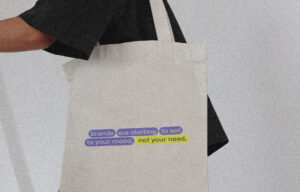
why mood-based marketing works better online
online environments are fragmented.
people jump between:
- apps
- conversations
- content types
- emotional states
constantly.
this creates micro-moments.
and in each micro-moment, the brain looks for alignment.
not information.
alignment.
micro-moments drive modern buying behavior
people don’t sit down and “decide to buy.”
they drift into decisions.
one scroll.
one video.
one feeling.
one impulse.
and suddenly:
- they click
- they add to cart
- they convert
this is not random.
this is emotional momentum.
emotional momentum beats logical persuasion
traditional marketing tries to convince.
modern marketing tries to continue a feeling.
this is a completely different approach.
instead of:
“here’s why you should buy this”
it becomes:
“this fits exactly how you feel right now”
that’s a much easier yes.
this is where most brands get it wrong
they interrupt mood.
instead of matching it.
they push:
- features
- offers
- messages
- benefits
into emotional contexts that don’t fit.
and the result is friction.
not because the product is bad.
because the timing is wrong.
the rise of mood-driven content ecosystems
high-performing brands don’t just post content.
they build emotional ecosystems.
content that captures different states:
- late night scrolling
- morning motivation
- weekend boredom
- work stress
- social comparison
- identity exploration
each piece of content serves a mood.
not a message.
consistency is no longer visual. it’s emotional
brands used to focus on:
- color consistency
- typography
- design systems
that still matters.
but emotional consistency matters more now.
people follow brands because of how they feel when they see them.
not just how they look.
personalization is becoming psychological, not technical
most brands think personalization is:
- using names
- recommending products
- tracking behavior
that’s surface level.
real personalized selling is psychological.
it understands:
- triggers
- insecurities
- desires
- emotional patterns
and adapts communication accordingly.
algorithmic feeds accelerated this shift
platforms don’t just show content.
they shape mood.
they optimize for:
- engagement
- retention
- emotional reaction
which means users are constantly being guided into emotional states.
and brands that understand this can align with those states.
others get ignored.
mood sells identity, not just products
this is where things go deeper.
people don’t just buy things.
they buy versions of themselves.
and mood plays a huge role in that.
because identity is not fixed.
it shifts depending on context.
identity is fluid in digital environments
a person can feel:
- confident in one moment
- insecure in another
- ambitious in the morning
- lost at night
same person.
different emotional state.
different purchasing behavior.
brands that win understand emotional transitions
not just emotional states.
transitions.
from:
- stress → relief
- boredom → stimulation
- insecurity → confidence
- chaos → control
products become tools for emotional movement.
not just functional outcomes
this is where premium brands dominate
premium is rarely about features.
it’s about emotional resolution.
how fast and how effectively a brand can move someone from:
“i don’t feel good”
to:
“this feels right”
that’s value.
mood-based marketing changes creative strategy
creative is no longer about:
- originality
- design excellence
- storytelling alone
it’s about emotional precision.
knowing:
- what someone is feeling
- when they’re feeling it
- how to reflect it back to them
with just enough variation to capture attention.

relatable beats impressive
this is one of the biggest creative shifts.
impressive content gets noticed.
relatable content gets saved, shared, and acted on.
because relatability signals:
“this understands me”
and understanding builds trust faster than polish.
trust is emotional before it is rational
this connects directly to modern trust dynamics.
people don’t trust brands because of claims.
they trust them because of resonance.
if something feels:
- familiar
- accurate
- emotionally precise
it feels trustworthy.
even before any logical validation.
retail strategy is becoming experience-first again
but in a different way.
not physical experience.
emotional experience.
from the first touchpoint to checkout:
- how does it feel
- how smooth is the journey
- how aligned is the tone
- how frictionless is the decision
this is modern retail strategy.
friction is often emotional, not technical
brands try to optimize:
- page speed
- ux
- checkout flow
which is good.
but ignore emotional friction:
- doubt
- hesitation
- mismatch
- overload
and that’s where conversions actually drop.
the role of timing is underestimated
the same message can:
- convert perfectly
- completely fail
depending on timing.
timing is not just about day or hour.
it’s about emotional readiness.
emotional readiness is invisible but critical
you can’t see it directly.
but you can design for it.
through:
- content sequencing
- retargeting tone shifts
- contextual messaging
- platform-specific creative
this is where advanced personalized selling is heading.
brands are starting to design for feelings, not funnels
funnels assume linear behavior.
real behavior is messy.
people don’t move cleanly from awareness to purchase.
they loop.
they pause.
they forget.
they come back in different moods.
this breaks traditional funnel logic
instead of pushing people down a path, brands need to:
- re-enter at different emotional points
- adapt messaging dynamically
- stay relevant across moods
this is not a funnel.
it’s an ecosystem.
why this matters more in 2026 and beyond
because attention is saturated.
products are commoditized.
information is accessible.
the only real differentiator left is:
how a brand makes people feel in the moment of decision.
brands that ignore this will feel outdated
not because their product is worse.
but because their communication feels disconnected.
and disconnection kills relevance.
fast.
brands that adapt will feel intuitive
almost invisible.
like they “just get it.”
and that feeling is powerful.
because it reduces effort.
and people prefer effortless decisions.
this doesn’t mean logic disappears
it still matters.
but it comes later.
emotion opens the door.
logic justifies the entry.
the bottom line
brands are no longer competing only on what they sell.
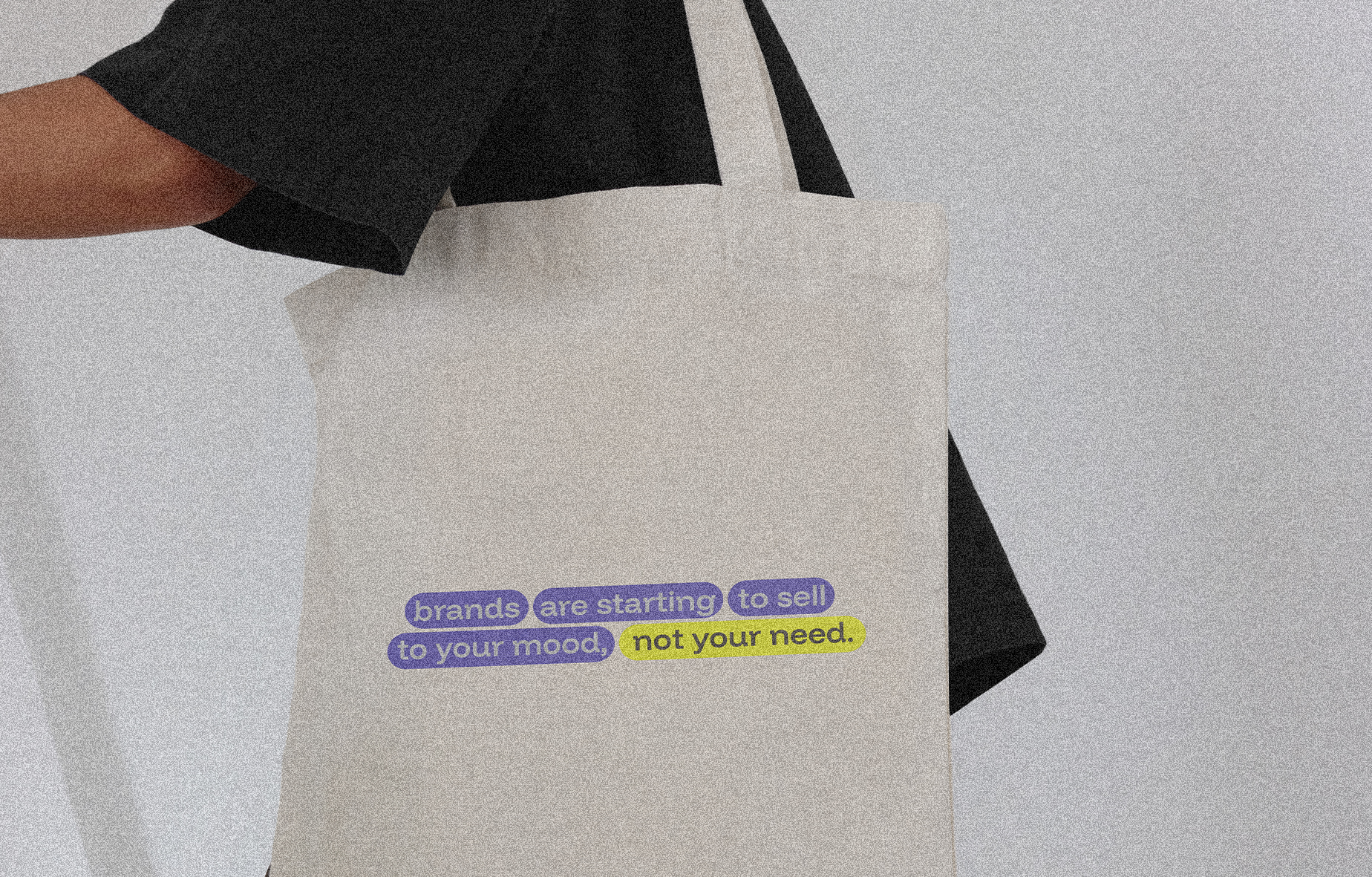
they’re competing on how well they read and match emotional context.
needs start the journey.
mood decides the outcome.
emotion-based marketing, customer psychology, personalized selling, and retail strategy are no longer separate disciplines.
they are merging into one system:
understanding human behavior in real time.
the brands that win are not louder.
they’re more aligned.
push it further
if your marketing still focuses only on needs, you’re already behind.
because your audience doesn’t live in a constant state.
they move.
fast.
emotionally.
unpredictably.
your job is not to control that.
it’s to meet them inside it.
design for moods.
build for emotional shifts.
sell through alignment, not pressure.
that’s where modern growth actually happens.
and that’s where most brands still hesitate.
which is exactly why the opportunity is still wide open.
push your relevance
push your emotional precision
push your brand beyond