every week, the internet throws new campaigns at marketers.
ads of the week.
advertisements this week.
advertising this week.
marketing news.
best marketing campaigns.
ad campaign examples.
advertising campaign examples.
content marketing examples.
the lists keep moving.
new brand film.
new stunt.
new creator collab.
new out-of-home idea.
new cultural response.
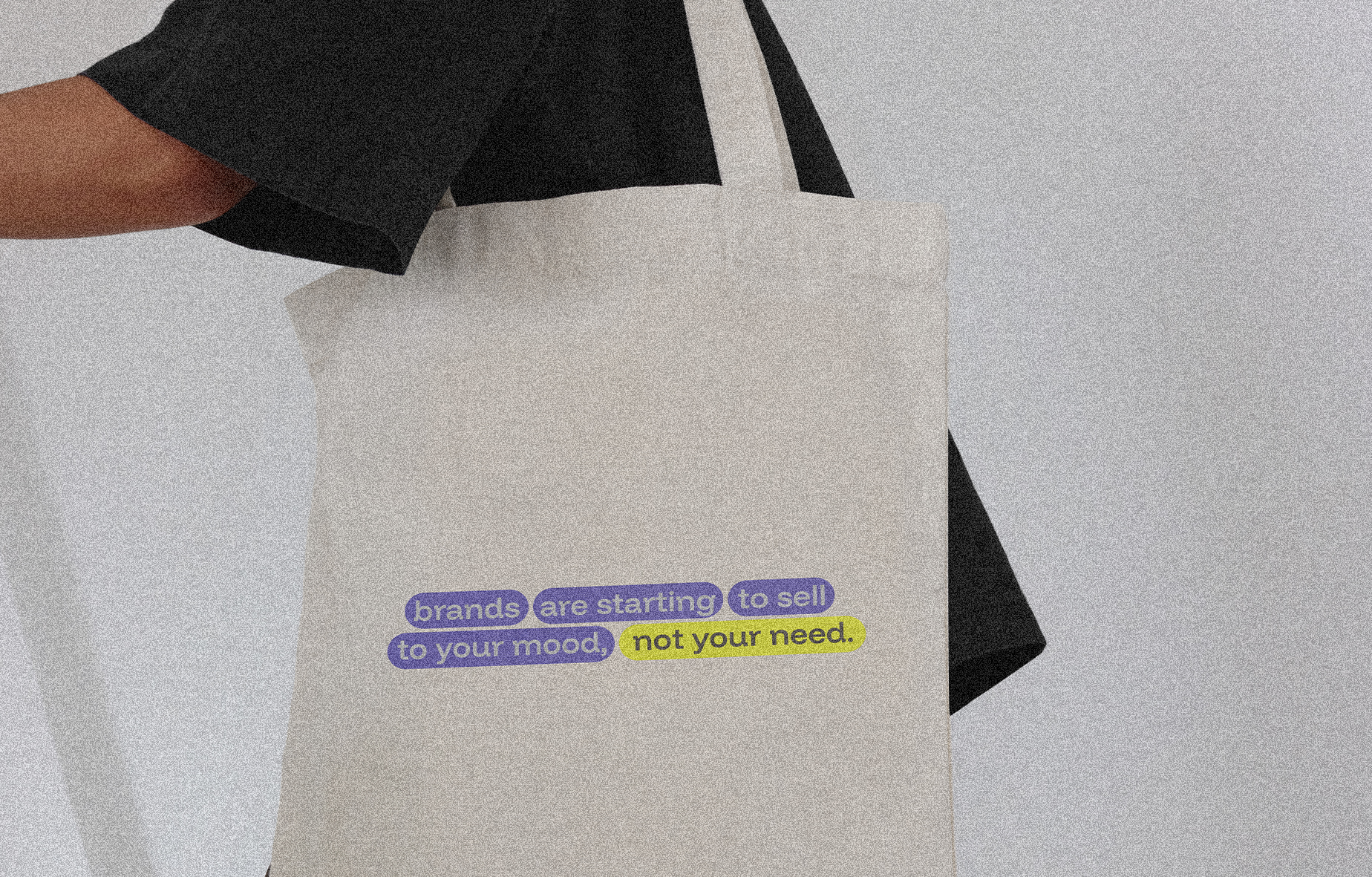
new “bold” campaign everyone will forget by next monday.
but the best global brand projects are not interesting because they appear in a roundup.
they are interesting because they reveal where marketing is going.
not in theory.
in behavior.
how people react.
what they share.
what they ignore.
what they trust.
what makes them stop.
what makes them talk.
what makes a brand feel alive instead of scheduled.
that is what makes a project worth studying.
not the budget.
not the celebrity.
not the production value.
not the awards.
the lesson.
and the smartest marketing leaders should study those lessons before their next campaign.
yes, even the marketing giants.
because large brands are not protected from weak thinking.
sometimes they are more vulnerable to it.
the bigger the brand, the easier it becomes to over-polish, over-approve, over-explain, and under-risk.
that is how global brands become visible but boring.
and boring is expensive.
why global brand projects matter more than campaign roundups
most marketers look at campaign examples the wrong way.
they ask:
what did the brand do?
wrong first question.
the better question is:
why did it work?
because a campaign is not just an execution.
it is a decision.
a decision about audience behavior.
a decision about timing.
a decision about culture.
a decision about format.
a decision about trust.
a decision about what the brand is willing to risk.
that is why global projects matter.
they show how brands move from communication to participation.
from “look at us” to “this is worth talking about.”
and that shift is everything.
the internet changed what counts as a campaign
a marketing campaign used to be easier to define.
a tv ad.
a print ad.
a billboard.
a launch.
a media plan.
now it is messier.
a campaign can be:
- a spreadsheet that becomes entertainment
- a product package that becomes therapy
- a transport service that becomes part of pride month
- a mascot being removed to re-center customers
- a local phrase turned into cultural storytelling
- a content platform built around community behavior
that is why marketers searching for a marketing campaign template often miss the point.
templates can organize the work.
they cannot create the insight.
the strongest marketing campaigns do not start with a format.
they start with a human tension.
the real difference between good campaigns and forgettable campaigns
most campaigns are not bad.
they are just too easy to ignore.
they look correct.
they sound polished.
they follow the brief.
they check the channel boxes.
they use a neat headline.
they have a clean visual system.
they launch on time.
and then nothing happens.
because “correct” does not mean memorable.
the best advertising campaigns understand one thing:
people do not remember marketing because it exists.
they remember marketing because it gives them something to process.
a contradiction.
a joke.
a cultural reference.
a useful idea.
a recognizable truth.
a feeling they already had but had not named yet.
that is why some of the best marketing campaigns ever are not remembered as ads.
they are remembered as moments.
the campaign becomes part of culture.
not because the brand demanded attention.
because people found a reason to carry it.
what marketers should actually study
when reviewing marketing campaign examples, do not only collect screenshots.
study the mechanics.
ask:
- what audience behavior did the project understand?
- what cultural tension did it use?
- what made it feel timely?
- what made it feel specific?
- what did the brand risk?
- what made people participate?
- what made it more than an ad?
- what can this teach us before our next campaign?
that is how examples become strategy.
otherwise, they are just moodboard decoration.
and marketing does not need more decoration.
it needs sharper thinking.
project lesson 1: spotify made b2b marketing feel impossible to ignore
spotify’s “spreadbeats” is one of the clearest examples of how a b2b brand can turn a boring business touchpoint into a creative experience.
the project transformed media-planning spreadsheets into an interactive music-video experience, using the exact environment media planners already spend time inside. warc described the work as an excel-based music video built to show spotify’s audio and video advertising power, while spotify’s own cannes recap noted that “spreadbeats” won multiple lions in 2024, including a digital craft grand prix.
that is the insight.
spotify did not interrupt the media planner.
it entered the media planner’s world.
the spreadsheet was not a random gimmick.
it was the battlefield.
why this matters
most b2b marketing tries to make business content more emotional by adding better visuals.
spotify did something smarter.
it made the work environment itself emotional.
that is why it deserves to sit beside the best marketing campaigns of all time in strategic discussions, not because it was flashy, but because it understood the audience’s daily behavior.
media planners live in spreadsheets.
so spotify turned the spreadsheet into the ad.
that is not just creativity.
that is context intelligence.
push lesson
before your next campaign, ask:
where does your audience already spend mental energy?
not where do they scroll.
where do they decide?
because the strongest ideas often live inside the behavior everyone else ignores.
project lesson 2: burger king turned brand honesty into a reset button
burger king’s 2026 campaign moved away from its long-running mascot and put consumers at the center with “there’s a new king and it’s you.” marketing dive reported that the campaign launched in march during the oscars and was tied to the brand’s larger “reclaim the flame” turnaround plan; it also noted promising early business indicators, including 5.8% comparable sales growth in q1 2026 for burger king u.s.
the interesting part is not only the mascot change.
it is the admission.
the brand leaned into the idea that fast food had lost something and used that tension as the opening move.
that is rare.
many brands try to refresh without admitting why they need refreshing.
they want the new energy without acknowledging the old problem.
burger king used the discomfort.
why this matters
modern audiences can smell spin.
they know when a brand is pretending everything is fine.
honesty cuts through because it lowers the performance layer.
not every brand should run a self-critical campaign.
but every brand should understand the psychology behind it.
when people already have doubts, ignoring those doubts does not remove them.
naming them can.
push lesson
brand honesty works when it is attached to action.
not apology theater.
not vague “we heard you” messaging.
real change.
real proof.
real behavior shift.
if your campaign says the brand is evolving, the experience has to prove it.
otherwise, the honesty becomes another costume.
project lesson 3: coach made gen z part of the brand story
coach’s “explore your story” campaign connected the tabby bag with gen z’s interest in books, story, self-expression, and co-creation. marketing dive reported that the campaign included readable book charms, campaign videos, global ambassadors, and experiences designed around storytelling and gen z participation; the same report noted that coach saw 31% revenue growth in its recent fiscal third quarter.
the smart move here is not “books are trending.”
that is too shallow.
the smart move is understanding that gen z does not only want to consume brand meaning.
they want to help shape it.
coach built an idea with space inside it.
space for personal interpretation.
space for identity.
space for cultural participation.
space for the audience to see itself inside the brand.
that is not normal campaign thinking.
that is brand platform thinking.
why this matters
a lot of brands talk to young audiences like they are trying too hard to sound young.
wrong move.
gen z does not need brands to imitate them.
they need brands to give them something worth using, remixing, wearing, posting, and identifying with.
coach understood the difference.
it did not just create content about self-expression.
it created objects and experiences that helped people perform self-expression.
that is why it works better than another polished fashion film.
push lesson
if your audience is identity-driven, your campaign cannot just describe identity.
it has to give people tools to express it.
because modern branding is not only what the brand says.
it is what people can do with it.
project lesson 4: hyundai understood culture beyond translation
hyundai’s kona campaign built around the phrase “no inventes” is a strong case study in cultural specificity. the drum noted that hyundai and lopez negrete used the phrase’s emotional texture rather than simply translating general-market creative into spanish; the campaign placed the kona inside bilingual identity, family dynamics, creativity, ambition, and everyday life for younger latino consumers.
this is what many multicultural campaigns get wrong.
they translate words.
but culture is not only language.
culture is timing.
tone.
humor.
family codes.
shared phrases.
small emotional shortcuts.
the way people say something, not just what they say.
hyundai did not treat culture like a media segment.
it treated culture like lived behavior.
why this matters
brands often want cultural relevance without cultural depth.
so they grab surface symbols.
a holiday.
a phrase.
a color palette.
a cast choice.
a music cue.
then call it representation.
audiences know the difference.
they know when a brand understands the room.
and they know when a brand just rented the aesthetic.
push lesson
specificity is not a limitation.
it is the thing that makes the work believable.
global campaigns do not become stronger by becoming generic.
they become stronger by understanding specific human realities deeply enough that the truth travels.
project lesson 5: lime made transportation part of the cultural moment
lime’s pride campaign focused on a practical truth: people still need to get to pride events. the drum reported that the campaign operated across 21 cities with more than 24 lgbtqia+ organizations involved, giving each city a local structure and a stronger sense of place.
this is a smart move because the brand did not force itself into the center of the celebration.
it understood its role.
transportation is not the headline of pride.
but it is part of participation.
people need to arrive.
move.
meet friends.
reach events.
get home.
lime connected the brand’s actual utility to the cultural moment.
that is why the campaign feels more grounded than generic rainbow-season advertising.
why this matters
cause-related marketing fails when the brand has no real role.
people do not need another logo wearing a seasonal outfit.
they need brands to show up in ways that make sense.
lime’s role was not symbolic only.
it was functional.
and function creates credibility.
push lesson
before joining a cultural moment, ask:
what is our real role here?
if the answer is only “visibility,” stop.
visibility without relevance feels opportunistic.
relevance is when the brand belongs in the moment without begging for attention.
project lesson 6: rula and van leeuwen turned product theater into a mental health message
rula and van leeuwen’s mental health activation used an empty ice-cream pint with a qr code connected to therapy. the drum described the idea as playing with the familiar joke that ice cream fixes emotional pain, then flipping the expectation into something more useful and uncomfortable.
this works because it begins with a behavior people already recognize.
stress eating.
self-soothing.
the “ice cream fixes everything” joke.
the comfort ritual.
then it interrupts that ritual.
empty pint.
no easy emotional shortcut.
just the uncomfortable suggestion that distraction only goes so far.
that tension makes the message stronger.
why this matters
wellness marketing often turns serious topics into soft lighting and inspirational copy.
this did the opposite.
it used discomfort.
not shock.
not guilt.
discomfort.
and discomfort can be powerful when it leads somewhere useful.
the qr code mattered because it gave the idea an action path.
without that, the activation would be clever but hollow.
with it, the creative became a bridge.
push lesson
a strong campaign is not just a message.
it is a behavior path.
attention is step one.
what happens next decides whether the idea actually matters.
project lesson 7: canva used absurdity to make a brand platform visible
adweek’s ads of the week coverage in may 2026 highlighted canva’s squirrel-themed brooklyn stunt as part of a launch for its new brand platform, alongside other standout campaigns from brands like adidas and s.pellegrino.
the lesson here is not “do something weird.”
that is lazy.
the lesson is that brand platforms need external behavior.
too many companies launch a new brand platform internally and expect people to care.
new tagline.
new deck.
new language.
new manifesto.
fine.
but where does the public feel it?
canva understood that a brand platform cannot stay trapped in strategy language.
it needs a memorable surface.
something people can see.
photograph.
share.
question.
laugh at.
connect back to the brand.
absurdity can work when it creates attention for a strategic idea.
it fails when it exists only to look random.
push lesson
if your brand platform cannot become a piece of culture, a campaign, a behavior, or a repeatable content system, it might not be a platform.
it might just be a sentence.

what these global projects have in common
these campaigns look very different.
spotify used spreadsheets.
burger king used honesty.
coach used co-creation.
hyundai used cultural specificity.
lime used functional relevance.
rula and van leeuwen used product theater.
canva used absurdity.
different categories.
different audiences.
different budgets.
same deeper pattern.
they all understood behavior before execution.
that is the point.
the pattern behind the best campaigns
the best marketing campaign examples usually have at least one of these mechanics:
- they enter a real behavior instead of inventing one
- they use a cultural tension people already understand
- they make the audience part of the idea
- they connect the brand to a role it can actually own
- they turn a boring touchpoint into a memorable one
- they create a reason for people to talk
- they make the next step obvious
- they feel specific enough to be believable
that is why the best advertising campaigns do not feel like ads first.
they feel like something happening.
why “ads of the week” thinking is not enough
weekly roundups are useful.
they help marketers notice what is happening.
but if your whole strategy is built on watching ads of the week, you will always be reacting.
not leading.
the problem with constantly searching advertisements this week or advertising this week is that it can train teams to chase surfaces.
the stunt.
the format.
the celebrity.
the headline.
the visual hook.
but the surface is not the strategy.
the idea underneath is.
a brand should study marketing campaigns examples to understand how modern attention works, not to copy what already happened.
copying the move makes you late.
understanding the mechanic makes you sharper.
the difference between a campaign and a brand project
a campaign has a start and end date.
a brand project can change how people see the brand.
that difference matters.
campaigns can drive attention.
brand projects build meaning.
a campaign says:
look at this.
a brand project says:
think about us differently.
that is why the phrase “global brand projects” matters.
it raises the standard.
not every launch deserves that label.
not every ad earns it.
not every content marketing example qualifies.
a real brand project creates a shift.
in perception.
in behavior.
in cultural relevance.
in category understanding.
in how the audience remembers the brand.
what makes a global brand project worth studying
the best projects usually pass five tests.
1. the insight test
does the project reveal something true about people?
not a demographic fact.
a behavioral truth.
people use spreadsheets when making media decisions.
people use food as emotional comfort.
people want to see themselves inside brands.
people need transport to participate in events.
people recognize culture through small phrases and family codes.
without an insight, a campaign is just content.
2. the brand-role test
does the brand belong in the idea?
this is where many campaigns fail.
they attach themselves to a conversation but do not have a real role.
the result feels forced.
a good project makes the brand feel necessary to the idea.
spotify belonged in the spreadsheet because it was selling media value.
lime belonged in the pride journey because transportation was part of participation.
coach belonged in storytelling because it connected product, identity, and self-expression.
role creates credibility.
3. the participation test
can people do something with the idea?
share it.
react to it.
wear it.
scan it.
visit it.
argue with it.
remix it.
send it to someone.
use it as proof of their own taste.
modern marketing spreads when people have a reason to carry it.
not when the brand asks nicely.
4. the memory test
will people remember the brand, not just the idea?
this is where many “cool” campaigns collapse.
people remember the joke.
not the brand.
remember the stunt.
not the offer.
remember the celebrity.
not the product.
effective projects create memory that points back to the brand.
that is the difference between entertainment and marketing.
5. the conversion test
does the project create a path to action?
not every campaign needs a hard sell.
but every campaign needs a strategic next step.
visit.
scan.
share.
try.
book.
search.
follow.
compare.
believe.
if attention has nowhere to go, it leaks.
why marketing giants should pay attention
large brands often have more resources.
but more resources do not automatically create better marketing.
sometimes they create slower marketing.
more stakeholders.
more approvals.
more risk management.
more brand safety discussions.
more internal politics.
more polished nothing.
that is why marketing giants should study these projects.
not to copy the execution.
to remember what makes marketing work.
relevance.
timing.
human behavior.
specificity.
creative courage.
clear brand role.
a reason to talk.
the bigger the brand, the more dangerous safe work becomes.
because safe work does not stay neutral.
safe work becomes expensive invisibility.
why this matters for push-style strategy
at push, the lesson is simple.
marketing should not be built as disconnected deliverables.
a post here.
an ad there.
a stunt somewhere else.
a website update later.
that is how brands create activity without momentum.
a strong campaign connects the whole system.
strategy gives the idea direction.
content gives it reach.
design gives it recognition.
ads give it scale.
web gives it conversion.
social gives it culture.
analytics give it learning.
that is how a campaign becomes more than a moment.
it becomes movement.
and movement is what brands actually need.
how to use these lessons before your next campaign
before building your next campaign, stop starting with format.
do not start with:
we need a reel.
we need a billboard.
we need influencer content.
we need a launch video.
we need a campaign template.
we need something like that brand did.
start with the friction.
what does the audience not believe?
what do they already feel?
what behavior are they repeating?
what part of culture are they living inside?
what decision feels risky?
what would make the brand feel more relevant?
what can we make people want to talk about?
then choose the format.
that order matters.
strategy first.
execution second.
format should carry the idea.
not replace it.
bottom line
the best global brand projects are not just ads.
they are strategic signals.
they show what modern marketing is becoming:
more behavioral.
more cultural.
more participatory.
more specific.
more honest.
more useful.
more connected.
that is why marketers should look beyond normal marketing campaign examples and study the deeper mechanics.
not just what happened.
why it worked.
the best campaigns do not win because they shout louder.
they win because they understand people better.
they know where attention lives.
where resistance starts.
where trust breaks.
where culture moves.
where the brand can actually belong.
that is what makes global brand projects worth studying before your next campaign.
and yes.
marketing giants should pay attention.
because nobody is too big to become forgettable.
push it further
before your next campaign, do not ask only:
what should we make?
ask:
what should people feel?
what should they recognize?
what behavior are we entering?
what truth are we using?
what role does the brand own?
what will people remember after the campaign disappears from the feed?
because the feed moves fast.
ads of the week become old by next week.
marketing news gets replaced tomorrow.
but strong brand projects last longer because they create something deeper than visibility.
they create meaning.
so study the best.
not to copy them.
to sharpen your own thinking.
push your credibility.
push your positioning.
push your brand beyond.