the industry celebrates creativity.
the market rewards effectiveness.
and those two don’t always overlap.
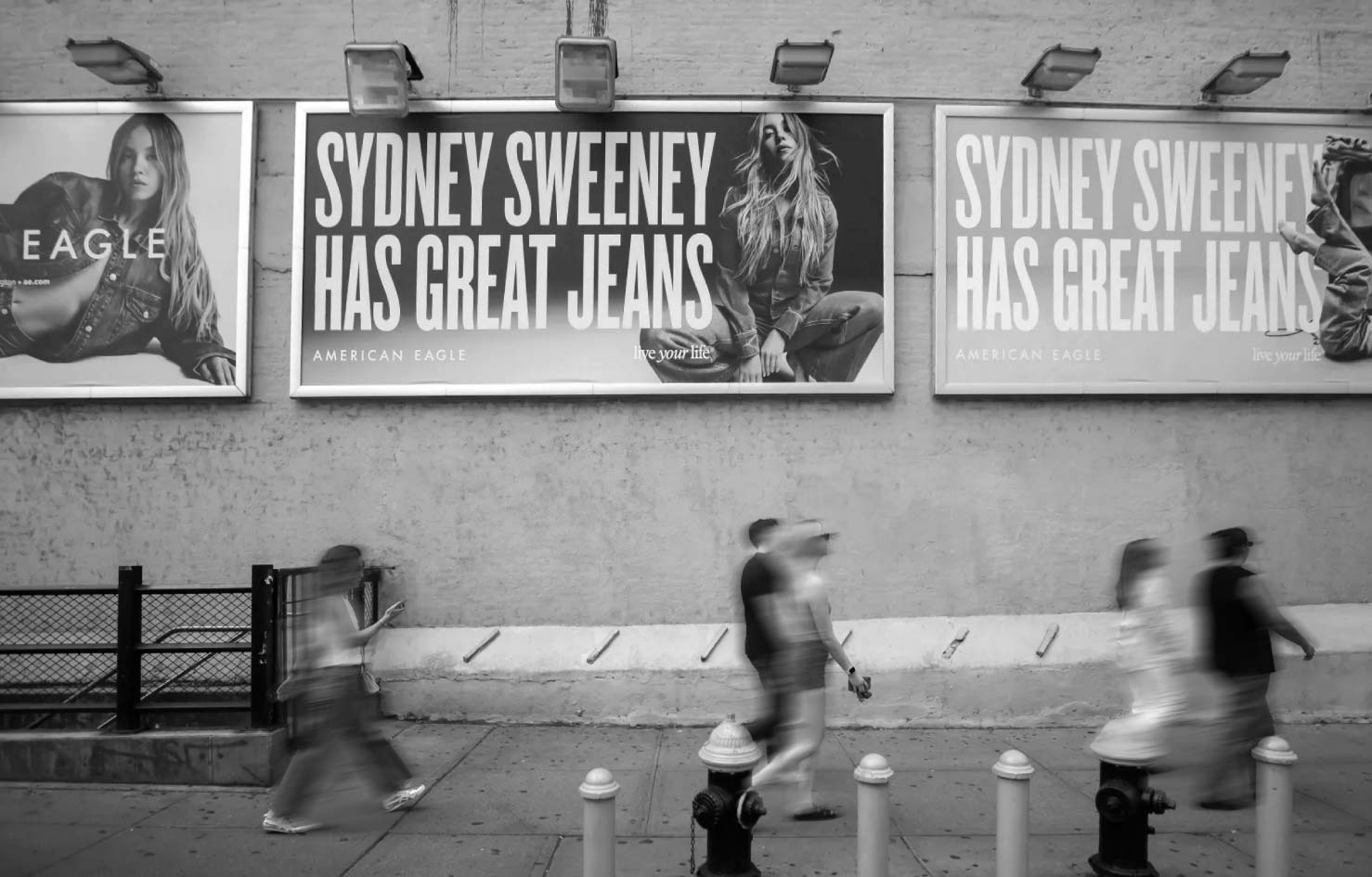
a campaign can dominate award shows, trend across platforms, and get praised by creatives everywhere…
and still fail where it actually matters:
brand results.
this isn’t rare.
it’s common.
and if you understand why it happens, you start seeing it everywhere.
the industry and the market judge different things
award juries and real customers don’t think the same way.
they don’t evaluate campaigns using the same criteria.
award juries look for:
- originality
- execution
- storytelling
- craft
- cultural relevance
- creative risk
customers look for:
- clarity
- relevance
- usefulness
- trust
- timing
- emotional connection
one rewards innovation.
the other rewards alignment.
this is where creative advertising often disconnects from marketing effectiveness.
creativity is visible. effectiveness is invisible.
this is one of the biggest reasons the gap exists.
creativity is easy to notice.
you see a bold visual, a smart idea, a clever execution—and you react instantly.
effectiveness is harder to see.
it happens in:
- conversion rates
- brand perception shifts
- repeat behavior
- long-term trust
- actual buying decisions
and those things don’t go viral.
they compound quietly.
so the industry ends up overvaluing what’s visible and undervaluing what works.
the “this is smart” vs “this is for me” problem
a lot of campaigns get this reaction:
“this is really smart”
but not:
“this is for me”
that difference kills performance.
because recognition without relevance doesn’t drive action.
people can admire a campaign and still ignore it.
this is where many campaign strategy decisions go wrong.
they optimize for:
- attention
- memorability
- conversation
instead of:
- personal relevance
- problem-solution fit
- behavioral triggers
and attention alone doesn’t convert.
campaigns that talk to everyone usually convert no one
award-winning campaigns often aim for broad cultural appeal.
they want to:
- say something meaningful
- connect to a bigger idea
- resonate at scale
but in doing that, they often lose specificity.
and specificity is what drives decisions.
people respond to:
“this is exactly my situation”
not:
“this is a powerful general message”
broad messaging creates applause.
specific messaging creates action.
the overproduction trap
high-end production has become a creative flex.
- cinematic visuals
- complex storytelling
- perfect execution
it looks impressive.
but it creates distance.
because real people don’t live in high-production environments.
they live in:
- messy realities
- imperfect situations
- practical needs
so when a campaign feels too polished, it can feel:
- less relatable
- less believable
- less actionable
this is why some of the most effective campaigns today feel:
- raw
- simple
- direct
not because brands lack resources.
because relatability converts better than perfection.
when the idea becomes the goal
another common issue:
the campaign idea becomes the main objective.
teams start optimizing for:
- originality
- uniqueness
- surprise factor
instead of:
- business impact
- customer understanding
- behavioral outcome
so the question shifts from:
“will this drive results?”
to:
“is this a great idea?”
and those are not the same thing.
great ideas don’t automatically create brand results.

awards reward novelty. markets reward familiarity
this tension is critical.
award culture pushes brands toward:
- new formats
- unexpected executions
- breaking patterns
but human behavior prefers:
- familiarity
- clarity
- predictability
people don’t want to figure things out.
they want to understand things instantly.
so when a campaign is too novel, it creates friction.
and friction reduces effectiveness.
cultural relevance doesn’t guarantee conversion
many campaigns aim to tap into culture.
they align with:
- social issues
- trends
- internet conversations
and that can generate massive visibility.
but visibility is not the same as value.
people might engage with:
- the message
- the topic
- the conversation
without engaging with:
- the brand
- the product
- the offer
this creates a dangerous illusion.
the campaign looks successful.
but the business impact is weak.
the brand gets lost behind the idea
this happens more often than brands realize.
people remember:
- the story
- the execution
- the message
but forget:
- the brand
that’s a problem.
because the purpose of creative advertising is not just to be remembered.
it’s to make the brand memorable.
if the idea overshadows the brand, the campaign becomes:
- entertainment
not:
- marketing
and entertainment rarely drives consistent marketing effectiveness on its own.
virality is not a business metric
this is one of the biggest misconceptions in modern marketing.
going viral feels like success.
it brings:
- reach
- engagement
- visibility
but none of those guarantee:
- sales
- retention
- long-term growth
a campaign can get millions of views and still fail commercially.
because views measure attention.
not intent.
the missing link: behavioral design
most award-winning campaigns focus on messaging.
few focus deeply on behavior.
they don’t answer:
- what should the user do next?
- what reduces friction?
- what triggers action?
- what makes this easy to choose?
this is where campaign strategy needs to evolve.
because modern marketing is not just about communication.
it’s about decision design.
emotional campaigns without functional clarity
emotion is powerful.
but emotion without clarity creates confusion.
people might feel something.
but not know what to do.
effective campaigns combine:
- emotional trigger
- clear value
- direct action
many award-winning campaigns stop at emotion.
and that’s not enough.
short-term buzz vs long-term brand building
another tension:
some campaigns are built for:
- immediate impact
- conversation
- attention spikes
but they don’t contribute to:
- consistent positioning
- long-term memory
- brand equity
so even if they win awards, they don’t strengthen the brand over time.
they create moments.
not momentum.
the internal bias toward creative validation
inside agencies and teams, there’s a natural bias.
people want recognition.
they want:
- industry respect
- peer validation
- awards
and that subtly shifts priorities.
because creative validation is immediate.
business results take time.
so teams optimize for what they can showcase quickly.
even if it’s not what drives long-term success.
customers don’t care how hard your campaign was to make
this is a reality check.
customers don’t see:
- the effort
- the process
- the complexity
they only see:
- the outcome
and they evaluate it based on:
- relevance
- usefulness
- clarity
not effort.
not creativity.
not innovation.
just value.
what high-performing campaigns do differently
they align creativity with behavior.
they don’t separate:
- idea
- execution
- outcome
they build campaigns that:
- feel relevant instantly
- communicate clearly
- reduce decision friction
- guide action naturally
they don’t try to impress.
they try to work.
effectiveness is often less exciting—but more powerful
this is the uncomfortable truth.
highly effective campaigns often look:
- simple
- obvious
- predictable
because they’re built on:
- real insights
- tested behavior
- clear messaging
they don’t feel groundbreaking.
but they perform.
and performance compounds.
the future of creative advertising
the industry is slowly shifting.
toward:
- measurable impact
- behavioral insights
- proof-driven strategy
because brands are starting to realize:
attention without results is expensive.
and creativity without impact is unsustainable.
bottom line
winning awards and winning customers are not the same game.
one rewards:
- creativity
- originality
- visibility
the other rewards:
- relevance
- clarity
- behavior
the best campaign strategy doesn’t choose between them.
it connects them.
because real marketing effectiveness happens when:
- creative ideas meet real behavior
- strong execution meets clear value
- attention leads to action
that’s what drives actual brand results.
push it further
before launching your next campaign, don’t just ask:
“is this creative?”
ask:
- does this make sense instantly?
- does this feel relevant to the right people?
- does this reduce friction or add it?
- does this guide action or just create attention?
because the goal is not to be admired.
the goal is to be chosen.
push your credibility
push your positioning