marketing loves the future.
new platforms.
new technology.
new formats.
new aesthetics.
new audiences.
new behavior.
but every few years, marketing does something strange.
it goes backward.
old logos return.
old packaging comes back.
90s typography reappears.
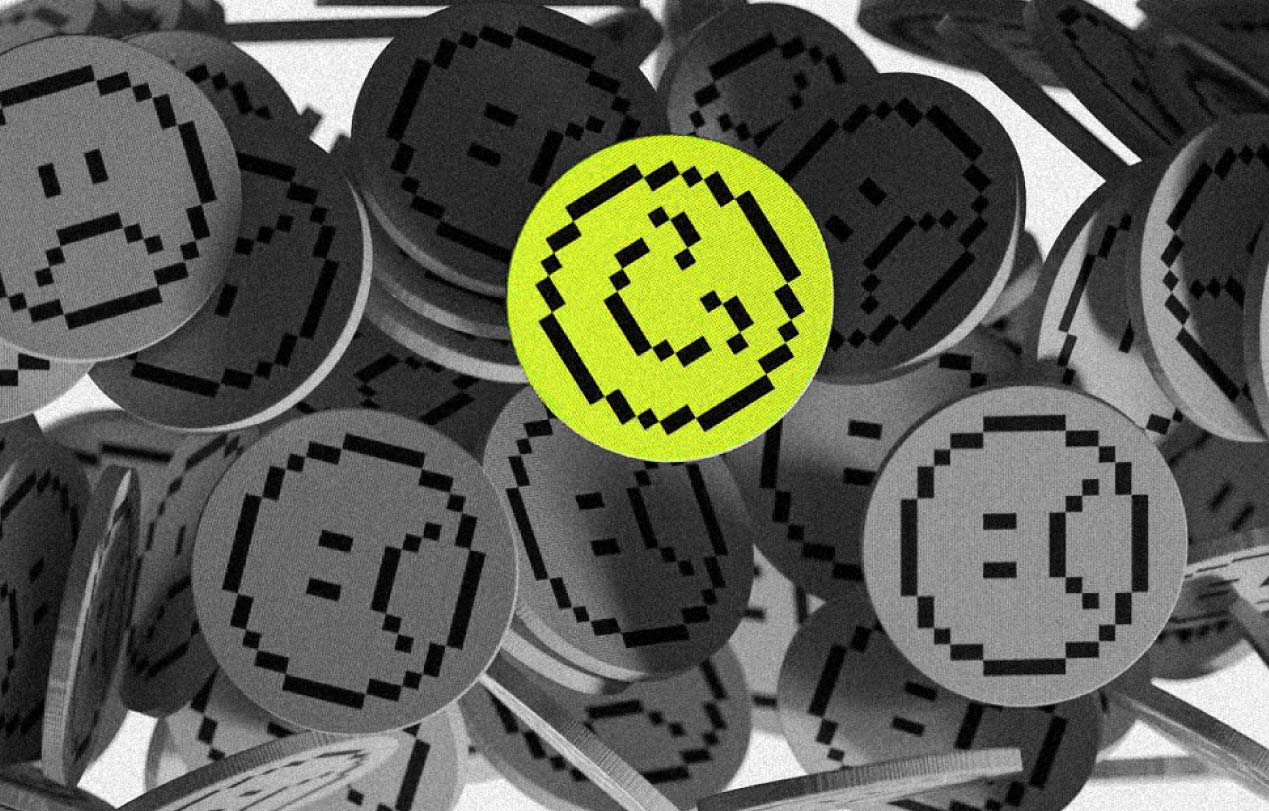
2000s internet aesthetics get revived.
film grain shows up everywhere.
brands rebuild campaigns around childhood references.
music from decades ago suddenly becomes the soundtrack to a product launch.
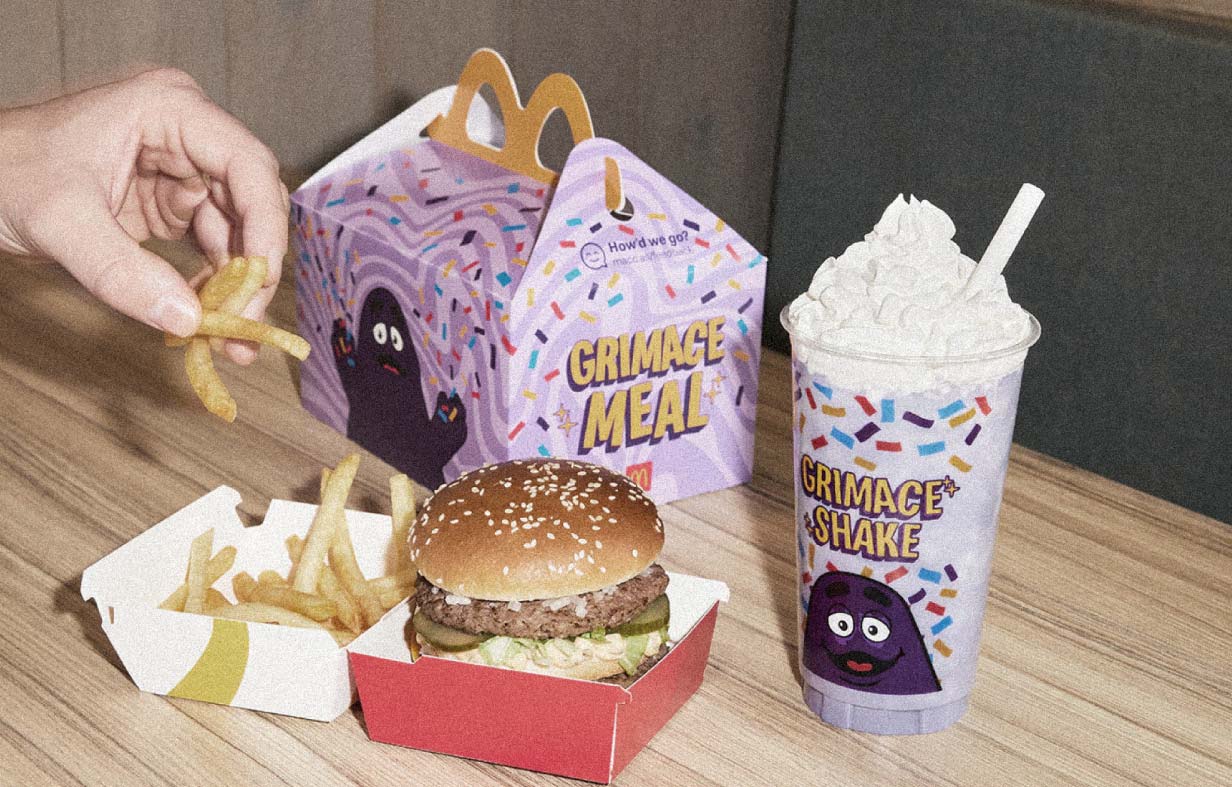
old mascots return.
retro websites come back.
discontinued products get relaunched.
people start buying things that look like things they used to own.
again.
and again.
and again.
nostalgia keeps returning in marketing because the past never fully disappears.
it sits inside memory.
identity.
taste.
emotion.
and when the present feels too fast, too uncertain, too polished, or too unfamiliar, the past becomes strategically useful.
not because people literally want to go backward.
because familiarity feels safe.
and safety sells.
nostalgia is not about the past
this is the first mistake brands make.
they think nostalgia marketing is about old things.
it is not.
it is about what old things represent.
a cereal box from childhood is not powerful because of the box.
it is powerful because it connects to:
- routine
- family
- safety
- simpler expectations
- specific places
- specific people
- specific phases of life
the object is just the trigger.
the emotion is the product.
that is the real power of nostalgia.
brands are not selling the past.
they are activating a feeling associated with the past.
that distinction matters.
because nostalgia without emotional meaning is just retro styling.
and retro styling alone gets old fast.
why nostalgia keeps coming back
nostalgia works because people do not experience time neutrally.
memory edits.
softens.
compresses.
filters.
we rarely remember the past exactly as it happened.
we remember fragments.
moments.
textures.
songs.
smells.
colors.
objects.
routines.
people.
then emotion fills in the gaps.
that is why a random sound can suddenly make someone feel twelve years old again.
or why an old package design can create an emotional reaction stronger than the product itself.
memory is not just storage.
it is identity.
the past helps people understand who they are
people build identity partly through remembered experiences.
the games they played.
the clothes they wore.
the music they listened to.
the brands their parents bought.
the shows they watched.
the places they went.
the websites they used.
the first phone they owned.
the first social platform they joined.
these things become markers.
they help people locate themselves in time.
marketing that activates those markers does more than create recognition.
it creates self-recognition.
that is why nostalgia can feel unusually personal.
nostalgia is a shortcut to emotional relevance
modern marketing has a difficult problem.
people are exposed to too much.
too many ads.
too many creators.
too many brands.
too many launches.
too many visual styles.
too many messages.
attention is fragmented.
trust is lower.
originality is harder.
so brands need faster ways to become emotionally relevant.
nostalgia provides one.
because the emotional context is already built.
you do not need to explain why something matters.
the audience already knows.
a familiar reference arrives pre-loaded with meaning.
that reduces effort.
and in modern digital marketing, reduced effort is powerful.
familiarity makes decisions feel easier
humans are drawn to what they recognize.
not always consciously.
but recognition lowers uncertainty.
when something feels familiar, the brain does not need to work as hard to interpret it.
that creates comfort.
and comfort influences decisions.
this is one reason nostalgia in marketing performs so well.
it creates familiarity before the audience even understands the campaign.
you recognize the font.
the color.
the sound.
the object.
the visual style.
that recognition gives the message a head start.
familiar does not mean boring
this is where marketers often get confused.
familiarity can increase attention when it appears in a new context.
an old visual language inside a new campaign.
an old product shape with modern execution.
a retro interface used for a modern product.
the tension between old and new creates interest.
the audience gets the emotional safety of recognition with the stimulation of novelty.
that combination is hard to beat.
the internet accelerated nostalgia instead of killing it
you would think the internet would push culture forward.
instead, it made the past permanently available.
everything is searchable.
everything is archived.
old videos.
old commercials.
old games.
old websites.
old music.
old products.
old celebrities.
old fashion.
old memes.
nothing fully disappears anymore.
culture can be revived instantly.
this changes the way nostalgia works.
before the internet, nostalgia depended heavily on memory.
now memory has infrastructure.
someone can see a 2004 commercial in seconds.
find a discontinued snack.
watch an old cartoon intro.
scroll through photos of 90s malls.
recreate an early social media interface.
the internet turned the past into searchable material.
that makes nostalgia easier to activate.
every generation eventually becomes a nostalgia audience
this is another reason the strategy never disappears.
nostalgia rotates.
it does not belong to one era.
older audiences might respond to:
- 70s
- 80s
- 90s references
younger millennials might respond to:
- early 2000s
- msn messenger
- flip phones
- myspace aesthetics
- early youtube
- first-generation iphones
gen z can already feel nostalgic for:
- vine
- early instagram
- tumblr
- old minecraft
- 2010s pop culture
- pre-algorithm social feeds
that is the interesting part.
nostalgia cycles are getting shorter.
you no longer need to wait thirty years for something to feel nostalgic.
sometimes ten years is enough.
sometimes less.
fast culture creates faster nostalgia
internet culture moves so quickly that eras become emotionally distant faster.
a platform from five years ago can feel like another world.
an editing style from three years ago can feel ancient.
a meme format from last year can already feel dated.
this speed compresses cultural time.
and when cultural time compresses, nostalgia appears sooner.
digital culture makes recent history feel old
think about how different the internet feels compared with a decade ago.
feeds changed.
algorithms changed.
platforms changed.
attention changed.
content changed.
people changed.
that creates a sense of loss.
not necessarily because the old internet was objectively better.
but because it felt different.
more personal.
less optimized.
less commercial.
less automated.
that perception gives marketers something powerful to work with.
nostalgia often appears when the present feels unstable
this is one of the deeper psychological reasons nostalgia becomes stronger at certain moments.
when people feel uncertain, they look for continuity.
the past offers continuity.
something known.
something already experienced.
something that cannot surprise you anymore.
this is why nostalgia often grows during:
- economic uncertainty
- cultural change
- technological disruption
- rapid social shifts
- personal transitions
- periods of stress
the past becomes emotionally useful.
it acts like an anchor.
this is one of the key benefits of nostalgia.
not because nostalgia fixes uncertainty.
because it reduces how unfamiliar the world feels.
positive nostalgia creates emotional safety
nostalgia is often bittersweet.
but marketing usually works with positive nostalgia.
the remembered version.
the edited version.
the highlight reel.
brands do not usually want the actual complexity of the past.
they want the warm parts.
the familiar parts.
the parts people want to revisit.
that is why advertising nostalgia is rarely historically accurate.
it is emotionally accurate.
or at least emotionally convenient.
brands recreate the feeling, not the reality
a campaign inspired by the 90s might include:
- saturated colors
- chunky typography
- disposable camera textures
- arcade references
- old-school packaging
- cassette tapes
- analog interfaces
but it leaves out the inconvenience.
the slow internet.
the bad cameras.
the lack of access.
the friction.
nostalgia marketing selectively remembers.
just like people do.
nostalgia turns products into memory objects
this is where nostalgia becomes commercially interesting.
a product can become more than a product.
it can become a symbol of a period.
that increases emotional value.
a reissued sneaker.
a retro soda bottle.
a game console remake.
a classic logo.
a discontinued flavor.
these things can trigger the feeling that buying the product means recovering part of the past.
of course, you cannot actually recover the past.
but you can buy something associated with it.
that is enough.
consumption becomes emotional reconstruction
people often use products to reconstruct identity.
they buy:
- old clothing styles
- retro cameras
- vinyl records
- vintage furniture
- discontinued products
- classic cars
- old game systems
not always because the old version is functionally better.
because it connects them to a feeling.
marketing understands this.
the product becomes a bridge.
nostalgia is especially powerful when identity is involved
people do not just remember old products.
they remember who they were when they used them.
that matters.
someone does not simply remember a console.
they remember being a kid.
they do not simply remember a lipstick.
they remember a version of themselves.
they do not simply remember a movie franchise.
they remember where they were in life when it mattered to them.
this turns nostalgia into identity marketing.
the product becomes linked to:
- age
- belonging
- subculture
- family
- friendship
- personal milestones
that makes the emotional response much stronger.
modern branding uses nostalgia to create instant depth
new brands have a problem.
they have no history.
no cultural memory.
no inherited meaning.
nostalgia can create the feeling of history faster.
this is why new brands sometimes borrow:
- retro typography
- vintage packaging
- analog photography
- old-world branding
- archival-style layouts
they are creating perceived heritage.
even when the company is young.
that can make the brand feel more established.
more grounded.
less temporary.
invented history can still create real emotion
this sounds strange.
but design does not need literal history to communicate historical feeling.
a new coffee brand can feel like it has existed for forty years.
a fashion label can look like it was rediscovered from an old archive.
a restaurant can use typography that feels inherited.
that visual language creates depth.
but there is a risk.
if the brand borrows too much history without substance, it feels costume-like.
nostalgia works best when the emotional world fits the product.
retro branding is often a reaction to digital sameness
modern digital marketing created visual efficiency.
clean interfaces.
minimal branding.
optimized layouts.
simple sans serif typography.
neutral colors.
perfect photography.
everything became polished.
then everything started looking similar.
nostalgia offers an escape.
retro design gives brands:
- texture
- imperfection
- personality
- contrast
- visual specificity
suddenly grain feels interesting.
old fonts feel distinctive.
manual-looking design feels human.
low-resolution graphics feel intentional.
not because they are technically better.
because they break the visual rules people have become used to.
imperfection became a luxury signal
this is one of the strangest shifts in modern branding.
digital tools made perfection easy.
clean layouts are easy.
sharp photography is easy.
perfect alignment is easy.
high-resolution visuals are easy.
so imperfection became interesting again.
film grain.
distortion.
flash photography.
uneven typography.
hand-drawn elements.
old print textures.
these things signal effort differently.
they create friction.
personality.
human touch.
nostalgia benefits from this because older media was naturally imperfect.
modern branding recreates that imperfection on purpose.
nostalgia is also anti-optimization
today, almost everything online feels optimized.
optimized for:
- clicks
- conversions
- retention
- engagement
- search
- algorithms
- performance
people can feel that optimization.
even when they cannot explain it.
nostalgia creates distance from it.
an old-school visual can feel less engineered.
less calculated.
less algorithmic.
even when it was designed by a modern team with a full performance strategy behind it.
the irony is obvious.
brands use nostalgia strategically to make themselves feel less strategic.
the past feels human because it was less automated
this matters more as ai expands.
modern content is becoming easier to generate.
more polished.
more abundant.
more technically perfect.
that increases the value of signals associated with human imperfection.
nostalgia carries those signals naturally.
old photography.
old typography.
handmade textures.
analog artifacts.
physical objects.
they remind people of systems that existed before everything became instantly generated.
that can make nostalgia feel more human.
nostalgia works because recognition creates participation
one of the strongest benefits of nostalgia in social media culture is that it invites response.
people comment:
“i remember this.”
“we had this.”
“this was my childhood.”
“only real ones remember.”
“this unlocked a memory.”
those comments are not just engagement.
they are identity statements.
the audience is proving membership.
they are saying:
i was there.
i know this.
this belongs to me too.
that makes nostalgia highly social.
shared memory creates instant community
brands spend years trying to create community.
nostalgia can activate one instantly.
a reference creates a group:
people who remember.
people who understand.
people who recognize.
that group may not have existed before the campaign.
but for a moment, shared memory connects them.
this is why nostalgia performs well in comments.
people start telling stories.
comparing experiences.
remembering together.
the campaign becomes a social trigger.
nostalgia gives brands an easy conversation starter
one challenge in business digital marketing is getting people to participate.
brands usually ask questions no one cares about.
“what is your favorite feature?”
“tell us your thoughts.”
“which color do you prefer?”
nostalgia works differently.
memory already contains emotion.
ask someone about:
- their first phone
- their childhood snack
- the first game they played
- an old tv show
- a school trend
- their first social platform
and suddenly they have something to say.
because the topic is about them.
not the brand.
the strongest nostalgia marketing is audience-first
this is critical.
nostalgia marketing fails when brands choose references they like instead of references the audience actually shares.
the reference needs cultural relevance.
not internal preference.
a marketing team may love a particular decade.
that does not mean the audience cares.
good nostalgia strategy starts with:
- audience age
- cultural context
- geography
- subculture
- shared media
- shared technology
- shared products
nostalgia is specific.
generic nostalgia usually feels fake.
nostalgia is not universal
the same reference can create completely different reactions across markets.
a childhood snack in one country means nothing in another.
a tv show can be iconic in one generation and invisible in the next.
a visual style associated with comfort in one culture might carry different meaning elsewhere.
this is why nostalgia requires cultural precision.
you cannot just add a vhs filter and call it strategy.
nostalgia can make brands feel culturally fluent
when a brand references something correctly, it signals understanding.
the audience thinks:
“they get it.”
that creates cultural credibility.
but the standard is high.
internet audiences are very good at detecting forced references.
if the brand gets the detail wrong, nostalgia becomes embarrassing fast.
wrong slang.
wrong timeline.
wrong aesthetic.
wrong cultural context.
the campaign stops feeling nostalgic.
it starts feeling like a marketing team searched “2000s aesthetic” on pinterest.
accuracy matters more than decoration
good nostalgia is specific.
not:
“90s vibes.”
but:
the right objects.
the right visual language.
the right music.
the right interface.
the right references.
the right behavioral details.
specificity creates credibility.
the audience knows immediately whether the brand actually understands the era.
this is why nostalgia marketing requires more research than it appears.
nostalgia can create borrowed trust
familiar things often feel safer.
when a new product uses a familiar cultural reference, some of that familiarity transfers.
the product becomes less unknown.
this is especially useful for new launches.
the brand can combine:
new product.
old emotional language.
the novelty gets softened by recognition.
this is one reason nostalgia appears so often in launches and collaborations.
collaborations make nostalgia commercially scalable
modern brands love nostalgic collaborations because they combine:
- existing fanbases
- memory
- scarcity
- collectability
- social sharing
- cultural recognition
a brand can partner with:
- an old franchise
- a childhood character
- a classic game
- an iconic film
- a legacy brand
- a discontinued product line
the collaboration brings pre-existing emotional meaning.
that reduces the amount of storytelling required.
the audience already understands why the reference matters.
nostalgia and scarcity work dangerously well together
nostalgic products already carry emotional value.
make them limited, and desire increases.
now the consumer is not just buying a product.
they are trying not to miss a chance to recover something associated with the past.
that creates a powerful emotional combination:
memory plus loss aversion.
“this reminds me of something i loved.”
plus:
“i may not get another chance.”
that is strong.
sometimes too strong.
brands need to be careful not to turn nostalgia into constant manufactured urgency.
nostalgia can justify premium pricing
people often pay more for emotionally meaningful objects.
that is why collector editions work.
limited reissues work.
retro packaging works.
heritage collaborations work.
the functional value may be similar.
the emotional value is not.
the product becomes:
- collectible
- symbolic
- displayable
- identity-driven
that changes what people are willing to pay.
nostalgia creates value beyond utility.
legacy brands have an obvious advantage
older brands own real memory.
they do not need to manufacture heritage.
they have archives.
old logos.
old packaging.
old ads.
old products.
old slogans.
old photos.
old cultural moments.
those assets can become incredibly valuable.
this is why heritage brands should treat archives as strategic assets.
the past is content.
archives are underused brand infrastructure
many brands have decades of material sitting unused.
old campaign photography.
packaging designs.
product sketches.
store photos.
print ads.
these can be repurposed into:
- social content
- anniversary campaigns
- product launches
- limited editions
- storytelling
- brand history
- community engagement
the archive creates authenticity because it is real.
new brands need to be more careful
a young brand can use nostalgic aesthetics.
but it should not fake history.
there is a difference between:
“inspired by.”
and:
“pretending we have always been here.”
audiences value honesty.
a new brand can say:
we love this era.
we are building from these references.
we are reinterpreting these aesthetics.
that works.
fake heritage does not.
nostalgia can refresh a brand without fully rebranding it
sometimes brands do not need a complete redesign.
they need a reminder.
bringing back a familiar logo.
old packaging.
a historic slogan.
a classic color.
a former product.
can reactivate recognition.
this is strategically useful because rebrands often destroy accumulated memory.
nostalgic revivals can do the opposite.
they reuse existing memory.
familiarity is an asset brands often throw away
brands sometimes assume new equals better.
new logo.
new packaging.
new tone.
new identity.
but customers may already have years of recognition attached to old assets.
that recognition has value.
when brands remove everything familiar, they reset part of the relationship.
nostalgia reminds marketers that old assets are not automatically outdated.
sometimes they are memory infrastructure.
this is why rebrands often create backlash
people feel ownership over brands they interact with frequently.
when something familiar changes, it can feel strangely personal.
not because people intellectually care about logo geometry.
because recognition gets disrupted.
nostalgia explains part of this reaction.
the old version represents:
familiarity.
continuity.
habit.
the new version has not earned those things yet.
nostalgia can repair distance
some brands become too modern.
too corporate.
too optimized.
too polished.
too distant.
bringing back old elements can soften that.
the brand feels less engineered.
more familiar.
more human.
this is particularly useful when a brand has evolved so aggressively that customers no longer recognize what they originally liked.
advertising nostalgia works because emotion arrives before explanation
most ads need to build emotion.
nostalgia can trigger it immediately.
one sound.
one visual.
one product.
one reference.
and the feeling is already there.
that is efficient.
especially in digital media marketing, where brands have seconds to create relevance.
nostalgia compresses storytelling.
the past does part of the work.
music is one of the strongest nostalgia triggers
music is deeply tied to autobiographical memory.
a song can instantly locate someone in a period.
school.
college.
first job.
first relationship.
summer.
family.
friends.
that makes music incredibly useful in advertising nostalgia.
but again, precision matters.
the wrong song is decoration.
the right song is a time machine.
sound can outperform visuals
sometimes audiences do not consciously recognize why something feels nostalgic.
sound design does the work.
an old ringtone.
a console startup sound.
a dial-up connection.
a camera shutter.
a game sound effect.
these sounds bypass explanation.
they trigger memory directly.
brands that understand sensory memory can build nostalgia more effectively than brands relying only on retro visuals.
nostalgia can improve recall
familiar references create stronger mental associations.
the audience may remember:
the brand.
the reference.
the emotion.
together.
that creates richer memory encoding.
and brand memory matters.
because people rarely make decisions in the same moment they see advertising.
they remember later.
at the store.
during search.
during comparison.
during conversation.
nostalgia can make the message easier to retrieve.
but nostalgia can overshadow the brand
this is one of the biggest risks.
people remember the old character.
the song.
the movie.
the game.
the aesthetic.
but forget who sponsored the campaign.
then the nostalgia succeeded.
the marketing did not.
this happens when the borrowed cultural asset is stronger than the brand itself.
the reference should amplify the brand
not replace it.
good nostalgia marketing answers:
why does this connection make sense?
what does the reference add?
how does it reinforce positioning?
what should people remember afterward?
if the answer is only:
“people will like the reference”
the strategy is weak.
nostalgia cannot rescue irrelevant positioning
this is another common mistake.
brands sometimes use nostalgia as a creative shortcut.
the product is uninteresting.
the positioning is unclear.
the campaign has no insight.
so they add retro aesthetics.
that may create attention.
but not necessarily relevance.
nostalgia is an amplifier.
it amplifies emotion.
it does not automatically create strategy.

nostalgia is strongest when it connects past and present
the best campaigns do not simply recreate an old era.
they reinterpret it.
they create a bridge.
old reference.
new context.
old memory.
new product.
old emotion.
new behavior.
that tension creates freshness.
pure replication can feel lazy.
reinterpretation feels intentional.
nostalgia works because people want continuity, not regression
most consumers do not literally want to live in the past.
they want selected feelings from the past inside the present.
comfort.
simplicity.
familiarity.
identity.
recognition.
that is why the strongest nostalgic products still work with modern expectations.
people may love retro design.
they still want:
fast shipping.
modern functionality.
easy checkout.
good ux.
current technology.
nostalgia should influence emotion.
not recreate inconvenience.
old aesthetics with modern systems
this is the sweet spot.
retro packaging.
modern product.
vintage photography.
modern ecommerce.
old-school typography.
modern accessibility.
nostalgic storytelling.
modern digital marketing.
the customer gets the emotional benefit of the past without losing the functional benefits of the present.
that is why the strategy works.
nostalgia is now part of digital marketing culture
when people ask for the definition of digital marketing, they often think about channels:
social media.
search.
email.
content.
paid ads.
websites.
but digital marketing is not only distribution.
it is cultural behavior inside digital environments.
nostalgia matters because digital platforms are where memory is now rediscovered, remixed, and shared.
that makes nostalgia relevant to:
- social media strategy
- creator marketing
- ecommerce
- brand storytelling
- digital advertising
- content marketing
- community building
the digital marketing meaning has expanded.
it is not simply marketing through digital channels.
it is understanding how people behave inside digital culture.
social media turned nostalgia into a remix culture
people do not simply remember old things anymore.
they remix them.
old songs become new sounds.
old fashion becomes new styling.
old memes get revived ironically.
old products become aesthetic objects.
old interfaces become design inspiration.
this is important.
nostalgia is no longer passive.
it is participatory.
people recreate the past themselves.
brands can enter that behavior if they understand it.
nostalgia spreads because it is easy to share
people love sending nostalgic content to each other.
“remember this?”
that sentence is one of the strongest organic distribution mechanisms online.
because it creates social connection.
sending nostalgic content is not just sharing media.
it is sharing a memory.
that makes it emotionally sticky.
the comment section becomes part of the campaign
good nostalgic campaigns create memory chains.
one person comments.
another adds a story.
another remembers something related.
suddenly the content expands beyond the original creative.
the audience adds meaning.
that is valuable.
the brand starts the conversation.
the audience supplies the history.
creators make nostalgia feel more personal
creator marketing has made nostalgia even more effective.
a creator can say:
“if you grew up with this, you know.”
that feels different from a brand saying the same thing.
creators bring personal context.
they tell stories.
they show old objects.
they compare eras.
they make memory social.
this creates a more intimate nostalgic experience.
nostalgia can become too calculated
once marketers identify a strong emotional trigger, they tend to overuse it.
that is happening with nostalgia.
retro packaging.
y2k campaigns.
old mascots.
archive drops.
throwback collaborations.
eventually the strategy becomes predictable.
if every brand goes backward, backward stops feeling surprising.
that is why nostalgia needs relevance.
not just aesthetic replication.
the y2k problem
one of the clearest examples is y2k branding.
it became huge.
chrome typography.
bright colors.
flash photography.
early-internet graphics.
low-resolution digital aesthetics.
initially, it felt fresh.
then everyone copied it.
fashion.
beauty.
food.
technology.
music.
suddenly a specific cultural aesthetic became a generic template.
this is what happens when nostalgia loses context.
nostalgia without specificity becomes trend-chasing
the irony is that nostalgia can become just another trend.
brands start using old aesthetics because they are popular now.
not because the reference has any relationship to the audience or product.
that weakens the emotional effect.
the strategy becomes:
“retro is trending.”
instead of:
“this memory matters to our customer.”
those are very different.
good nostalgia is emotionally precise
the strongest campaigns know exactly what feeling they are trying to activate.
not just:
“remember the past.”
but:
remember saturday mornings.
remember your first summer job.
remember early internet freedom.
remember getting ready for school.
remember going to the mall.
remember watching this with your family.
specific memory creates stronger emotion.
nostalgia is personal before it is cultural
large trends matter.
but personal memory is stronger.
that is why micro-nostalgia can outperform broad nostalgia.
a tiny detail can create more reaction than an entire retro campaign.
an old ringtone.
a specific package shape.
a school notebook.
a game loading screen.
a particular snack wrapper.
these details feel real.
and real details create recognition.
the best nostalgia strategy starts with memory mapping
brands can think strategically about audience memory.
ask:
- what products did they grow up with?
- what technology shaped them?
- what media did they consume?
- what platforms did they use?
- what cultural moments mattered?
- what objects trigger recognition?
- what visual language belongs to that period?
- what sounds belong to it?
this creates a memory map.
from there, the brand can identify meaningful references instead of random retro styling.
nostalgia should connect to brand truth
this matters more than anything.
if the nostalgia has no relationship to the brand, it will feel borrowed.
strong use cases include:
a legacy brand reviving an old asset.
a product returning from the archive.
a brand reconnecting with an original audience.
a collaboration with a culturally relevant property.
a modern product referencing the era that inspired it.
the connection should make sense without a long explanation.
nostalgia can humanize technology brands
this is an interesting application.
technology is constantly forward-facing.
newer.
faster.
smarter.
more automated.
but constant futurism can feel cold.
nostalgia can create warmth.
old hardware references.
early internet aesthetics.
retro interface design.
physical buttons.
old startup sounds.
these references remind people that technology used to feel playful.
personal.
discoverable.
that can make modern tech feel emotionally softer.
ai may make nostalgia even more powerful
as ai-generated content becomes more common, the internet may become even more polished and abundant.
that could increase demand for:
- history
- texture
- authenticity
- physicality
- analog references
- real archives
- cultural specificity
nostalgia offers all of those.
not automatically.
but strategically.
the more synthetic the present feels, the more meaningful real history can become.
nostalgia also gives brands something ai cannot invent
actual shared history.
ai can recreate an aesthetic.
it can imitate film.
it can generate retro visuals.
but it cannot manufacture decades of real customer memory.
that belongs to brands that actually lived through those moments.
legacy becomes more valuable when imitation becomes easier.
this may become one of the strongest competitive advantages older brands have.
the future of nostalgia will be more fragmented
mass nostalgia may become less important.
micro-nostalgia may become stronger.
different audiences have different pasts.
different subcultures.
different platforms.
different cultural references.
marketing will need to become more precise.
instead of:
“90s nostalgia.”
brands might target:
specific music scenes.
specific games.
specific regional references.
specific internet eras.
specific fandoms.
specific childhood routines.
that creates smaller but stronger emotional reactions.
nostalgia and community will merge
shared memory naturally creates groups.
brands can use nostalgia to build:
- fandom
- insider language
- rituals
- collector culture
- recurring references
- archive drops
- community storytelling
this is where nostalgia moves beyond campaign creative.
it becomes a community mechanism.
brands should think beyond throwback posts
nostalgia strategy is bigger than posting old photos.
it can influence:
- packaging
- product development
- collaborations
- events
- retail spaces
- web design
- creator partnerships
- music
- naming
- storytelling
the strongest nostalgic brand experiences are integrated.
not decorative.
the benefits of nostalgia depend on restraint
nostalgia works partly because it feels special.
if every campaign is nostalgic, the effect weakens.
brands need contrast.
future-facing work.
current work.
nostalgic work.
all serving different purposes.
the past should be one part of the brand world.
not the entire identity unless heritage is central to the business.
nostalgia can trap brands in the past
this is the other risk.
some brands become too dependent on old success.
they keep reviving:
the same product.
the same character.
the same campaign.
the same era.
eventually nostalgia stops feeling like cultural confidence.
it starts feeling like creative exhaustion.
a strong brand uses history as material.
not as a hiding place.
heritage should support evolution
the strongest legacy brands understand this.
they know what to preserve.
and what to change.
signature elements remain.
execution evolves.
that creates continuity.
the customer recognizes the brand without feeling like it is stuck.
this balance is difficult.
but powerful.
nostalgia works because modern life produces constant loss
every technological shift removes something.
buttons disappear.
physical media disappears.
stores disappear.
platforms disappear.
interfaces change.
products get redesigned.
habits vanish.
that creates low-level cultural loss.
people may not consciously mourn these things.
but they notice.
nostalgia gives those lost details emotional value.
what was once ordinary becomes meaningful after it disappears.
disappearance creates desire
this is a key psychological pattern.
people often appreciate things more after they are gone.
a discontinued product becomes iconic.
an old interface becomes beloved.
an outdated object becomes collectible.
absence increases symbolic value.
brands understand this.
sometimes they bring things back precisely because time made them more valuable.
nostalgia is really about emotional contrast
the past becomes attractive partly because it is compared with the present.
slow vs fast.
analog vs digital.
simple vs complex.
private vs public.
physical vs virtual.
human vs automated.
nostalgia sharpens those contrasts.
marketing can use them to position products emotionally.
that is why retro themes often emerge during periods of technological acceleration.
digital marketing keeps moving forward, human psychology does not
this is the bigger lesson.
channels change.
formats change.
platforms change.
algorithms change.
the definition of digital marketing keeps expanding.
but basic emotional needs remain remarkably stable.
people still want:
- belonging
- familiarity
- identity
- safety
- recognition
- meaning
nostalgia works because it connects to those needs.
it may look like a trend.
underneath, it is psychology.
bottom line
nostalgia keeps returning in marketing because memory is one of the strongest emotional shortcuts brands can access.
people do not respond to nostalgia because they literally want the past back.
they respond because the past carries:
familiarity.
identity.
comfort.
shared culture.
recognition.
and emotional meaning.
that makes nostalgia useful in modern branding.
especially now.
digital marketing keeps accelerating.
content keeps multiplying.
ai keeps increasing production.
platforms keep changing.
visual trends move faster.
attention gets harder to hold.
inside all of that speed, familiarity becomes valuable.
nostalgia gives brands something newness cannot always provide.
emotional history.
but nostalgia only works when it is precise.
relevant.
specific.
and connected to brand truth.
a retro font is not a strategy.
a film filter is not memory.
a throwback reference is not automatically meaningful.
the strongest nostalgia marketing understands exactly what the audience remembers.
why they remember it.
and what that memory means now.
because the real power of nostalgia is not looking backward.
it is using the past to create meaning in the present.
push it further
stop treating nostalgia like decoration.
do not ask:
“what old aesthetic can we bring back?”
ask:
“what memory already matters to our audience?”
that changes everything.
maybe the answer is:
a product.
a sound.
a habit.
an interface.
a cultural moment.
a childhood ritual.
a design detail.
something tiny.
but emotionally loaded.
then connect that memory to something current.
because nostalgia works best when the past does not replace the present.
it makes the present feel more meaningful.
the brands that use nostalgia well do not simply remind people where they came from.
they remind them who they were.
and then give them a reason to care about what comes next.
push your memory.
push your relevance.
push your brand beyond.